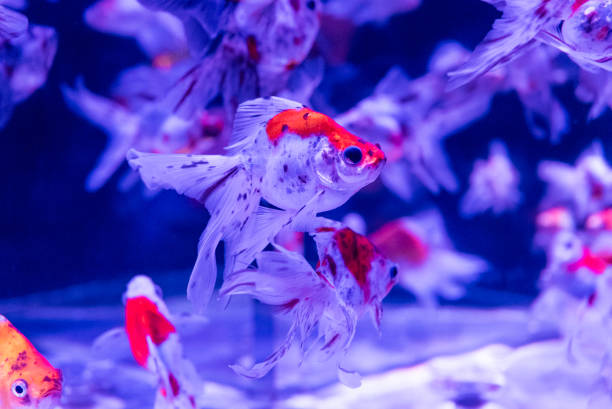
People think of the little orange fish in bowls when they think about goldfish. But the goldfish world is as varied and intriguing as any other. Thousands of varieties exist, but none epitomize elegance, beauty and toughness quite like the Wakin Goldfish. With a lean body and striking double tail, the fish has been captivating hobbyists for centuries. For both a first-time hobbyist and experienced aquarists looking to add to their collection, the Wakin goldfish is one you need on your radar.
In this guide, we’ll explore in-depth everything there is to know about the Wakin goldfish – including its history, physical characteristics, care requirements and preferred tank setup. We’ll also explore problems — and their solutions — that are common so you can enjoy healthy, thriving fish. For now, you’ll see soon enough why the Wakin is often referred to as the perfect mix of beauty and practicality in goldfish.
The History and Origins of the Wakin Goldfish
The Wakin goldfish has generations of history in Asian culture, particularly in places like China and Japan, where the practice of breeding goldfish started over a thousand years ago. A cross between the Common Goldfish and the Wakin, Wakins are one of the earliest breeds of double-tailed variety – they are considered a “bridge” between single-tail fish varieties like the Common and more fancy goldfish types such as Fantails or Ryukins.
Wakins became the very embodiment of graceful resilience in Japan. They were frequently housed in ponds and ornamental gardens with their bright colors and graceful manner of swimming representing good fortune and prosperity. They’re still popular today with hobbyists due to their historical value and hardy status.
Physical Characteristics of the Wakin Goldfish
Full-body wakin goldfish have a distinctive, streamlined physique and beautiful double tail. This mix provides them with the stamina of a standard goldfish and serves the fancies’ beauty.
- Body Shape: Slender-built, same as a regular goldfish.
- Tail: Twin-tail; shorter and less extreme than a Fantail or Veiltail.
- Color patterns – Generally red and white although orange, calico and solid varieties are also included.
- Size: Medium, usually about 10-12 inches, up to around 18 or more in large ponds.
- Life Span: With the correct care, Wakins can live 10 – 15 years and sometimes more.
These characteristics make them versatile fish that can thrive both indoors in aquariums and outdoors in ponds.
Tank and Pond Setup for Wakin Goldfish
The Wakin goldfish has one of the greatest advantages over all others; it is its versatility. Unlike its more dainty cousins, whose conditions of growth are somewhat restricted, the Wakins will grow and thrive in almost any kind of situation.
Tank Size
For aquariums, you’re looking at a minimum of 30 gallons per fish. Wakin goldfish are energetic swimmers and overcrowding will cause them to suffer from stress, which will have a negative impact on their health.
Pond Living
Wakins are a fairly rugged swimmer and withstand low temperatures, making them ideal as dwarf koi for an outdoor pond. If you have a pond, then you can enjoy to see them grow to their maximum size and show off all of their natural behavior.
Water Conditions
- Temperature: 65–75°F (18–24°C).
- pH Level: 6.5–8.0.
- Filtration: A strong filter is essential, as goldfish are messy eaters and produce a lot of waste.
Adding aquatic plants not only beautifies the setup but also provides shade, oxygen, and natural hiding spots for your fish.
Diet and Feeding
Diet The Wakin goldfish does well on a mixed diet. Commercial goldfish pellets or flakes make a good staple, however supplementing with fresh and frozen foods will provide the best health.
Staple Diet
- High-quality goldfish pellets (sinking or floating).
- Flakes designed for goldfish.
Supplementary Foods
- Vegetables: peas (de-shelled), spinach, lettuce, zucchini.
- Protein: bloodworms, brine shrimp, daphnia (fed sparingly).
- Occasional treats: fruit slices like orange or watermelon.
Tip: Feed small amounts 2–3 times a day, ensuring food is consumed within 2–3 minutes to avoid excess waste.
Behavior and Compatibility
Wakin Goldfish has an active behavior, playful and gentle. They are fairly active swimmers and will spend much of their time exploring the tank and socializing with other fish.
Good Tank Mates
- Other slim-bodied goldfish (Comet, Shubunkin).
- Koi (in large ponds).
- Peaceful community fish (in large tanks).
Avoid Pairing With
- Slow, delicate varieties like Bubble Eye or Celestial Eye goldfish.
- Aggressive or fin-nipping fish that may damage their tails.
Their lively swimming makes for competitors in the feeding game, and they tend to fare better than more fancy goldfish in mixed tank company.
Common Health Issues and How to Prevent Them
As with all goldfish, there are a few health problems that you should check for. But water management and care can prevent most problems.
- Swim Bladder Problems: This is due in shallow water or smaller fish tanks to over-feeding or low quality food. Prevention: feed sinking pellets and add fiber-rich vegetables.
- Parasite Infections: Usually a result of bad water quality or adding fish without quarantine. Prevention: Keep water clean and new arrivals in quarantine.
- Fin Rot: May develop in poor quality water. Prevention: Frequent water changes and a powerful filter.
Routine observation and quick action at the first signs of illness are key to keeping your Wakin healthy.
Breeding Wakin Goldfish
Wakins breeding can be a satisfying specialty for committed hobbyists. They reproduce by laying eggs, generally in the spring when the water warms.
Breeding Setup
- Generously spaced tank or pond and plenty of live plants for spawning.
- During spawning, males chase females around (for hours).
- The eggs will incubate between 4 and 7 days, the duration depending upon temperature.
Raising fry requires patience, as they need finely crushed food and protection from being eaten by adult fish.
Why Choose Wakin Goldfish?
Both beautiful and practical, the wakin goldfish is a rarity. They are more robust, active, and less prone to health problems when compared to their frailer fancy cousins, which makes them great starter rats! Their long, flowing fins and brilliant color combinations make them a popular choice for first-time keepers as well as those with years of experience.
No matter if you keep it in an indoor aquarium or on your outdoor pond, the Wakin goldfish will liven up any aquatic display with their colorful and whimsical beauty.
Conclusion
The Wakin goldfish isn’t just another fancy type of goldfish — it’s a living piece of history, one that embodies both strength and refinement… and playfulness, too. With its ancient history in Asia, and existence in modern ponds and goldfish tanks, it has become one of the most popular and mutually admired of goldfish varieties.
And by doing so, you can ensure a long-lasting friendship with these elegant swimmers by giving them enough space to live comfortably, feeding them properly and maintaining their home diligently. Maybe this means you’re new to the aquarist hobby, maybe not but anyway: Getting a Wakin goldfish is a choice you won’t regret.
Frequently Asked Questions (FAQ)
How large do Wakin goldfish grow?
Wakin goldfish reach an average size of 10–12 inches in a home aquarium, while they can grow to be as long as 18 inches in outdoor ponds with lots of space.
Are Wakin goldfish compatible with koi?
- Yes, Kickli plecos can be kept together with koi in large ponds. Both have similar care habits and similar temperament, so they should do just fine.
Do wakin goldfish need a heater?
In the majority of cases, no Watkins are cold water fish and do well between 65–75°F(°F) Some very cooler climates may require a pond heater in winter.
Is it easy to breed Wakin goldfish?
Wakins are known to be easier than most fancy goldfish when it comes to breeding. With favorable conditions — rising water temperatures and live plants to spawn over — they procreate readily.
How is Wakins other than Comet goldfish?
Both have a slender body shape; however, Wakins have two tails and the Comet has one long flowing tail. This makes Wakins more decorative than on the move.
Are Wakins suitable for small tanks?
No, Wakins are not a good fit for small tanks or bowls. They need at least 30 gallons per fish to do well and stay healthy.