Beverley Allitt – The Angel of Death Who Shocked Britain with Power, Deceit and Tragedy
The disturbing journey of Beverley Gail Allitt from troubled nurse to convicted serial killer

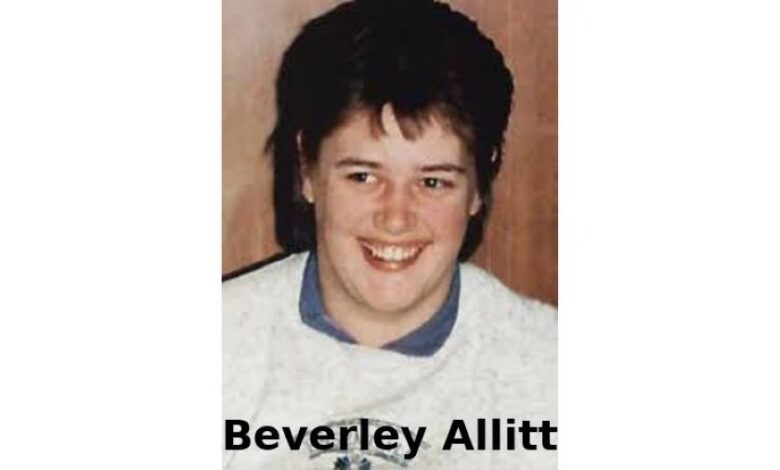
Introduction
Beverley Allitt, known widely as The Angel of Death, remains one of the most controversial medical serial killer cases in Britain. Formerly trusted as a nurse, she used her position to harm vulnerable children, ultimately changing the standards of healthcare monitoring. This article takes a deeply researched and fully factual look at the life of Beverley Gail Allitt, her early childhood, nursing career, the crimes that shocked the nation, the investigation, trial, sentencing and her legacy.
Quick Bio of Beverley Allitt
| Field | Details |
|---|---|
| Full Name | Beverley Gail Allitt |
| Also Known As | The Angel of Death |
| Born | 4 October 1968 |
| Birthplace | Corby Glen, Lincolnshire, England |
| Nationality | British |
| Occupation | Former Nurse |
| Known For | Serial killer crimes committed in 1991 |
| Status | Held in secure psychiatric hospital |
Early Life and Childhood
Beverley Gail Allitt was born on 4 October 1968 in the quiet village of Corby Glen. Her upbringing appeared normal to outsiders, but accounts from later psychological reviews suggest she displayed unusual behaviour patterns early on. She attended Charles Read Secondary Modern School but showed signs of withdrawal, deception and attention-seeking.
Table of Contents
ToggleAs she grew older, Allitt developed a fascination with hospitals and medical care. Despite academic struggles, she decided to pursue nursing and enrolled at Grantham College. Her passion for healthcare seemed promising, but behind the ambition rested psychological issues that would later erupt into violence.
Nursing Ambitions and Entry into Healthcare
After completing her training, Beverley Allitt began working at Grantham and Kesteven Hospital. She gained a temporary placement on the children’s ward, where she was expected to deliver care and compassion. Initially, she was described as attentive and gentle. However, darker behaviours began showing beneath the surface.
Her role placed her close to vulnerable children. In a position of medical trust, she had unrestricted access to medication, patient charts and the ability to manipulate injection procedures. What appeared as opportunity to heal later became opportunity to harm.
The Start of the Serial Killer Behavior
The tragic series of events began between February and April 1991. During this period, children who entered the ward with treatable conditions suddenly faced unexplained medical collapses and emergencies. Four children died and nine others were severely harmed. The common factor in every case was Beverley Allitt.
Victims experienced symptoms consistent with insulin overdoses, reduced oxygen levels and sudden cardiac arrest. These conditions did not match their original illnesses, yet Allitt continued to involve herself in each case. Her behaviour resembled the predatory nature of a serial killer, targeting innocent and helpless children.
Investigation and Discovery of the Angel of Death
Hospital staff noticed that the unexpected collapses occurred primarily when Beverley worked. Suspicion grew stronger when doctors discovered extremely high insulin levels in blood samples. This triggered an investigation that eventually uncovered her disturbing pattern.
Police examined ward logs, medication access and timing of each collapse. The findings revealed that Beverley Allitt was present during all major incidents. Her manipulation of records, combined with her medical knowledge, exposed her as a calculating serial killer operating beneath the image of a caring nurse.
Trial, Sentencing and Public Shock
In 1993, Beverley Allitt faced one of the most chilling medical crime trials in British history. The court found her guilty of multiple charges including murder, attempted murder and grievous bodily harm. She received life sentences, reflecting the danger she posed to society.
The public was horrified that someone trained to care for children instead became one of the most notorious serial killers the country had ever seen. Her sentencing removed her from public life, and she was placed in a secure psychiatric institution, where she remains.
Psychological Assessment and Personality Patterns
Experts observed long-term signs of attention-seeking behaviour, manipulation and impulsive deception in Beverley Allitt’s history. These behaviours suggested deep psychological disturbance. Many believed she fit characteristics of individuals who seek sympathy, validation or control through harming others.
Beverley’s crimes did not resemble typical financial or revenge-driven murders. Instead, they reflected psychological needs, making her case vital to criminology, nursing ethics and mental health studies. Her personality analysis added critical insight into the rare phenomenon of female serial killers.
Impact of the Crimes and Healthcare Reforms
Following her conviction, major reforms were introduced within British hospitals. Policies improved regarding patient monitoring, medication access and record keeping. Nurses and staff underwent stricter screening to prevent similar abuse.
The legacy of Beverley Gail Allitt extends far beyond the ward where her crimes took place. Her actions forced the nation to reconsider healthcare security, especially in paediatric units. The case contributed significantly to awareness of medical serial killers and highlighted the need for patient safety protections.
Conclusion
The story of Beverley Allitt – the Angel of Death – carries both tragedy and lessons. Her actions destroyed lives and shocked the nation, yet her case led to vital reforms in healthcare. Understanding her story helps highlight how vulnerability, negligence and psychological disturbance can combine in catastrophic ways. While her crimes brought fear, the resulting healthcare advancements now protect children more effectively and ensure higher standards of medical oversight.
FAQs About Beverley Allitt
Q1: Who is Beverley Allitt?
Beverley Allitt is a former British nurse known as The Angel of Death, responsible for killing and harming children in 1991.
Q2: Why is she called The Angel of Death?
She earned the nickname due to her role as a nurse, caring for children while secretly acting as a serial killer.
Q3: How many victims were involved?
She caused the deaths of four children and harmed nine others during her short period of criminal acts.
Q4: Where is she now?
Beverley Allitt remains detained in a secure psychiatric facility following her multiple life sentences.
Q5: What lessons emerged from her crimes?
Her case led to reforms in hospital monitoring, recording and general safety practices, especially in children’s wards.