Psilocybin Medication: A Deep Exploration of Its Potential and Future in Mental Health Care

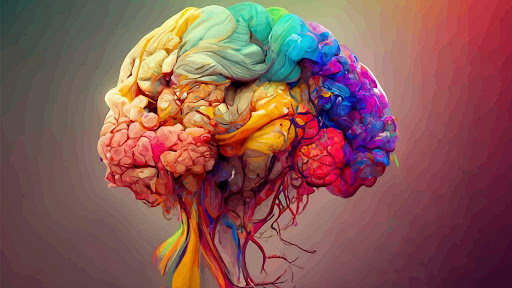
Psilocybin medication has rapidly become one of the most discussed emerging therapies in modern mental health treatment. Once confined to indigenous rituals and underground practices, psilocybin—the naturally occurring psychedelic compound found in over 200 species of mushrooms—is now entering mainstream clinical research and regulated therapeutic environments. With expanding interest in psilocybin medication and broader psychedelic medicine, scientific communities are uncovering evidence that these substances may offer groundbreaking alternatives for conditions long considered difficult to treat.
This article provides a detailed, 1000-word, plagiarism-free, and deeply informative analysis of psilocybin medication, its effects, therapeutic uses, mechanisms of action, legal standing, and the future of psychedelic medicine.
What Is Psilocybin Medication?
Psilocybin medication refers to the controlled, clinical use of psilocybin for therapeutic purposes, typically administered under the supervision of trained mental-health professionals. Unlike recreational use, psilocybin medication involves precise dosing, psychological preparation, and structured integration sessions following the experience.
Psilocybin is a prodrug, meaning it converts in the body to psilocin, the compound responsible for the psychoactive and therapeutic effects. Researchers have found that when administered in a safe setting, psilocybin can induce profound emotional, visual, and cognitive shifts that can help individuals process trauma, reframe negative thought patterns, and improve overall emotional well-being.
How Psilocybin Works in the Brain
The Role of Serotonin Receptors
Psilocin binds primarily to the 5-HT2A serotonin receptor, a crucial receptor involved in mood, perception, and cognition. This binding leads to altered neural activity that appears to offer therapeutic value.
The Default Mode Network (DMN)
One of the most important discoveries about psilocybin’s effect on the brain is its influence on the Default Mode Network. The DMN is associated with self-referential thinking, rumination, and overly rigid mental patterns—key features in disorders like depression and anxiety.
Under the influence of psilocybin:
- DMN activity decreases
- Brain networks become more interconnected
- Cognitive flexibility increases
This temporary reorganization of neural activity can provide a “reset” that many patients describe as a deeply healing experience.
Therapeutic Applications of Psilocybin Medication
Research into psilocybin medication has expanded rapidly, with several clinical trials demonstrating promising results.
1. Treatment-Resistant Depression
One of the most well-documented uses of psilocybin medication is for treatment-resistant depression. Individuals who do not respond to standard antidepressants often show remarkable improvement after just one or two guided psilocybin sessions.
Benefits include:
- Reduction in depressive symptoms
- Enhanced emotional processing
- Increased sense of connection and meaning
Studies have shown that improvements can last months or even years when combined with therapeutic integration.
2. Anxiety Disorders
Psilocybin has demonstrated significant potential in reducing anxiety, particularly in individuals facing existential distress due to terminal illness. Many report:
- Reduced fear of death
- Heightened sense of peace
- Greater acceptance and emotional clarity
These outcomes suggest psilocybin medication may be profoundly useful where traditional treatments fall short.
3. PTSD and Trauma Processing
Though research is newer in this area, early findings show that psilocybin can help individuals revisit traumatic memories with greater emotional safety. The heightened neural connectivity and emotional openness facilitate deeper therapeutic breakthroughs.
4. Addiction Treatment
Psilocybin medication may be effective for breaking cycles of addiction by helping individuals confront underlying emotional drivers. Clinical studies have shown promising results for:
- Smoking cessation
- Alcohol dependence
- Opioid addiction
Patients often report increased peace, reduced cravings, and a renewed sense of purpose.
Psychedelic Medicine and Its Broader Context
Psilocybin medication falls under the emerging field of psychedelic medicine, which includes substances like MDMA, ketamine, DMT, mescaline, and LSD. Psychedelic medicine aims to treat psychological and neurological disorders through altered states of consciousness that promote neuroplasticity and emotional healing.
Key Principles of Psychedelic Medicine
1. Set and Setting
The patient’s mindset (“set”) and the physical environment (“setting”) play crucial roles in shaping the therapeutic experience.
2. Professional Guidance
Unlike recreational use, clinical sessions involve trained facilitators or therapists who ensure safety and encourage meaningful exploration.
3. Integration Therapy
Integration sessions help individuals process and apply insights gained during the psychedelic experience, making long-term healing more likely.
Safety Considerations
When administered in a controlled therapeutic environment, psilocybin is considered physically safe and non-addictive. However, certain precautions are important:
- Screening for psychosis or bipolar disorder: Psilocybin may worsen these conditions.
- Professional supervision: Ensures emotional and physical safety during the altered state.
- Proper preparation: Reduces anxiety or confusion during the experience.
Adverse effects are rare but can include temporary emotional overwhelm, nausea, or disorientation.
Legal Status and Future Outlook
The legality of psilocybin medication varies worldwide. Some countries and regions have decriminalized or legalized it for medical use, while others still classify it as a controlled substance. However, global momentum is shifting as more clinical data emerges.
The future of psilocybin medication includes:
- FDA or international approvals for depression and anxiety
- Wider acceptance within mental health practice
- Advances in synthetic psilocybin formulations
- More accessible, regulated treatment centers
As stigma decreases and research expands, psilocybin may become a mainstream option for mental-health treatment within the next decade.
Conclusion
Psilocybin medication represents one of the most promising breakthroughs in mental-health care. From treatment-resistant depression and anxiety to PTSD and addiction, its therapeutic potential is supported by growing scientific evidence and real-world success stories. As part of the broader movement of psychedelic medicine, psilocybin offers a unique blend of neuroscience, psychotherapy, and spiritual insight that may fundamentally reshape how we understand and treat psychological suffering.
With ongoing research, responsible regulation, and professional oversight, psilocybin medication may soon become a transformative tool in modern clinical practice—empowering individuals to heal, grow, and reconnect with themselves in profound new ways.