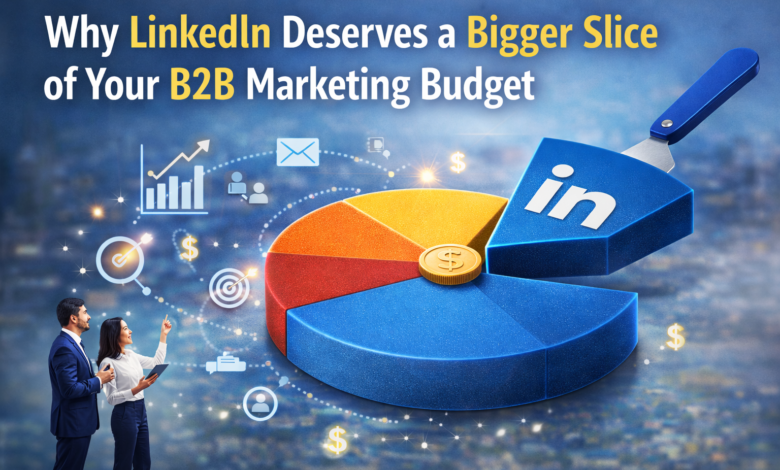
For years, LinkedIn occupied an awkward middle ground in many B2B marketing strategies. Everyone agreed it was useful, but it was rarely treated with the same seriousness as email marketing, paid search, or industry events. That has changed considerably, and businesses still treating LinkedIn as an afterthought are leaving a significant amount of value on the table.
The shift has been driven by two converging factors. First, the platform has grown considerably both in user numbers and in the quality of professional engagement on the site. Second, the increased sophistication of LinkedIn’s advertising and organic content tools has made it possible to reach highly specific professional audiences with a precision that other channels struggle to match.
The case for organic content on LinkedIn
Paid advertising on LinkedIn is well understood, if expensive relative to other platforms. What many organisations overlook is the potential of organic content. Decision-makers, procurement teams, and senior professionals use the platform actively, and content that speaks directly to their challenges, whether that is leadership thinking, practical guidance, or honest commentary on industry trends, has the potential to reach exactly the people your business needs to influence.
According to the LinkedIn Marketing Solutions blog, content shared by individual employees generates eight times the engagement of content shared from a company page. This points to a significant opportunity for businesses willing to invest in building the personal brands of their leadership team and key subject matter experts alongside their corporate presence.
Consistency is what separates the brands that benefit from those that don’t
The challenge with LinkedIn, as with all social platforms, is consistency. Publishing a handful of posts and then disappearing for three months produces no meaningful results. The platform rewards regular activity, genuine engagement in the comments of other people’s content, and a willingness to share a clear and distinctive point of view. That level of sustained effort requires either significant internal resource or external support.
For businesses without a dedicated social media team, outsourcing the strategic and executional side of their LinkedIn presence to a specialist in social media management from a company like 99social can make the difference between a profile that quietly generates inbound interest and one that simply exists.
Measuring LinkedIn’s contribution to your pipeline
LinkedIn is not a quick-win channel. The return on a well-managed LinkedIn presence tends to compound over time as the audience grows, trust builds, and the brand becomes genuinely associated with expertise in its field. The businesses that benefit most are those that commit to it as a medium-term investment rather than expecting immediate pipeline impact.
Used well, LinkedIn is one of the most effective tools available to a B2B organisation for building the kind of brand authority that shortens sales cycles and increases the likelihood of being on a prospect’s shortlist before any formal buying process begins. That is a commercial advantage that is genuinely difficult to replicate through other means.