Bobby Lennox: The Lightning Legend of Celtic – A True Tale of Passion, Glory, and Dedication
The Unstoppable Journey of Scottish Former Footballer Robert Lennox

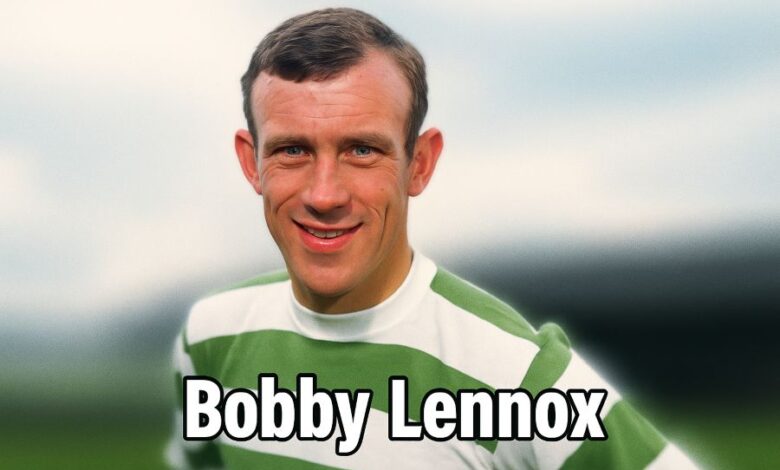
Table of Contents
ToggleIntroduction
Bobby Lennox, known affectionately as Robert Lennox, is one of the most celebrated names in the history of Scottish football. The Scottish former footballer carved an extraordinary legacy through determination, speed, and unmatched loyalty to Celtic F.C. His story is not just about success—it’s about humility, passion, and perseverance that inspired millions across generations. As one of the famed Lisbon Lions, Bobby Lennox’s journey from a small town in Ayrshire to European football glory remains one of the most uplifting tales in sporting history.
Born in Saltcoats, Ayrshire, Scotland, on August 30, 1943, Bobby Lennox rose from modest beginnings to become a cornerstone of Celtic’s golden era. His blistering pace, clever positioning, and remarkable consistency made him one of the finest wingers of his time. To this day, his achievements continue to echo across the stands of Celtic Park and in the hearts of football fans around the world.
Quick Bio
| Field | Details |
|---|---|
| Full Name | Robert “Bobby” Lennox |
| Date of Birth | 30 August 1943 |
| Birthplace | Saltcoats, Ayrshire, Scotland |
| Nationality | Scottish |
| Height | 1.72 m (5 ft 8 in) |
| Profession | Former Professional Footballer |
| Position | Winger / Forward |
| Club | Celtic F.C. |
| International Team | Scotland National Football Team |
| Years Active | 1961 – 1980 |
| Major Titles | European Cup, Scottish League Titles, Scottish Cups |
| Honours | MBE (1981), Scottish Football Hall of Fame (2005) |
Early Life and Humble Beginnings
Bobby Lennox was born in the seaside town of Saltcoats, Ayrshire, where football was more than just a game—it was a way of life. Growing up in a modest family, young Robert Lennox quickly developed a love for the sport, playing for local school teams and youth clubs. His early education at St Mary’s School and later St Michael’s in Irvine provided a strong foundation, both academically and athletically.
From his early days with Star of the Sea Boys’ Guild and Ardeer Recreation, Bobby Lennox’s natural pace and keen sense of goal became evident. Coaches and fans noticed that he possessed rare qualities—raw speed, sharp instincts, and a fearless attitude. These traits soon caught the attention of scouts from major Scottish clubs, setting the stage for a remarkable career.
Rise to Stardom with Celtic F.C.
Joining Celtic
In September 1961, Bobby Lennox signed for Celtic F.C., marking the beginning of an extraordinary journey. His debut came in March 1962 against Dundee, a game that signaled the arrival of a young, hungry player ready to make his mark. Although it took a few years to secure a permanent place in the first team, Lennox’s persistence and skill eventually made him a vital part of Celtic’s attacking force.
Becoming a Lisbon Lion
The turning point in his career came under legendary manager Jock Stein, who built one of the most dominant teams in European football. In 1967, Bobby Lennox played a crucial role as Celtic became the first British club to win the European Cup, defeating Inter Milan 2–1 in Lisbon. This victory not only made history but also cemented Lennox’s place among the immortal Lisbon Lions.
His speed on the left flank, combined with deadly finishing, made him one of Celtic’s most dangerous weapons. Over his career, he scored an astounding 277 goals in 586 appearances, a record that still ranks him as Celtic’s second-highest all-time scorer.
International Career with Scotland
Representing his country was one of Bobby Lennox’s proudest achievements. He earned 10 international caps for Scotland and scored 3 goals. His most memorable moment came in 1967 when Scotland defeated England 3–2 at Wembley. Lennox’s goal in that iconic victory remains one of the defining moments of his international career and a cherished memory for Scottish fans.
Style of Play and Personality
The Speed Demon of Scottish Football
Bobby Lennox was known for his incredible pace, acceleration, and stamina, earning him nicknames such as “Buzz Bomb” and “Lemon”. His ability to outrun defenders and create scoring chances made him a nightmare for opponents. He wasn’t just fast; he was intelligent in his movement, positioning himself perfectly to exploit defensive weaknesses.
A True Gentleman of the Game
Off the pitch, Robert Lennox was admired for his humility and professionalism. Despite his success, he remained grounded and respectful—traits that endeared him to teammates, fans, and rivals alike. His dedication to hard work and loyalty to Celtic exemplified the spirit of true sportsmanship.
Later Career and Retirement
In 1978, Bobby Lennox briefly joined the Houston Hurricane in the North American Soccer League, bringing his experience to a growing football scene in the United States. However, his heart remained in Scotland, and he soon returned to Celtic the same year. He retired from professional football in 1980 after nearly two decades of loyal service.
After retirement, Lennox continued his connection with Celtic as a coach and later as a club ambassador, helping to nurture the next generation of talent. His influence within the club remains strong, symbolizing loyalty and tradition.
Awards and Recognition
Bobby Lennox’s illustrious career earned him numerous honours:
-
Member of the Order of the British Empire (MBE) in 1981 for services to football
-
Induction into the Scottish Football Hall of Fame in 2005
-
Statue unveiled in Saltcoats in 2018 to honour his lifetime achievements
His legacy continues to inspire young footballers, reminding them that talent paired with hard work and humility can lead to greatness.
Legacy of a Celtic Legend
Bobby Lennox’s story is one of resilience, determination, and unmatched devotion. As one of the few players to win over 10 league titles and the European Cup with Celtic, he remains a symbol of excellence in Scottish football. His achievements represent the golden age of Celtic—a time when teamwork, courage, and faith shaped football history.
Even decades after his retirement, Robert Lennox remains a beloved figure among fans. His name resonates not only in Scotland but around the world, as a reminder that greatness comes from character as much as talent.
Conclusion
Bobby Lennox’s legacy stands as a shining example of what it means to play with heart and honour. From the streets of Saltcoats to the grand stadiums of Europe, his journey reflects the triumph of determination over doubt. The Scottish former footballer left behind more than trophies—he left behind inspiration, humility, and a timeless love for the game.
For Celtic fans and football enthusiasts alike, Robert Lennox will forever be remembered as a hero who played not just for glory but for the pure joy of football.
Frequently Asked Questions (FAQ)
Who is Bobby Lennox?
Bobby Lennox, born Robert Lennox, is a Scottish former footballer best known for his legendary career with Celtic F.C. and as part of the 1967 European Cup-winning Lisbon Lions.
When and where was Bobby Lennox born?
He was born on August 30, 1943, in Saltcoats, Ayrshire, Scotland.
How many goals did Bobby Lennox score for Celtic?
He scored 277 goals in 586 appearances, making him Celtic’s second-highest all-time goal scorer.
What was Bobby Lennox’s playing style?
He was known for his exceptional pace, determination, and goal-scoring ability, often playing as a winger or forward.
What honours did Bobby Lennox receive?
He received an MBE in 1981, was inducted into the Scottish Football Hall of Fame in 2005, and has a statue in Saltcoats commemorating his legacy.
What made Bobby Lennox special?
His humility, loyalty to Celtic, and consistent excellence on the pitch made him one of the most respected and beloved figures in Scottish football history.