“Can We Keep Living Here During the Remodel?” Realistic Options and Tradeoffs

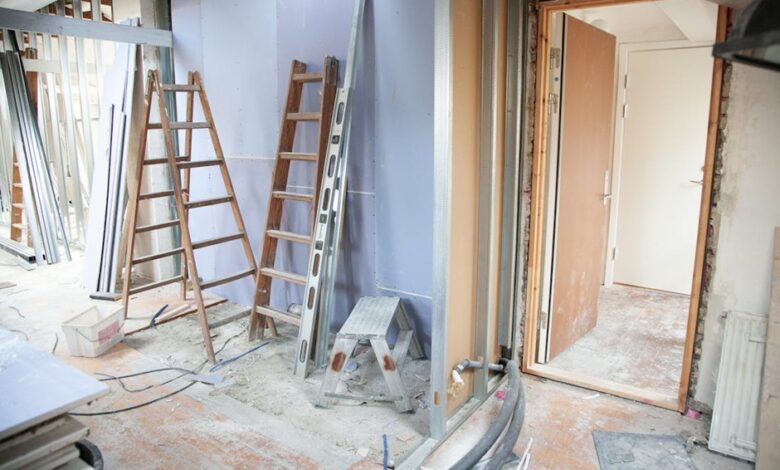
Remodeling sounds fun until the first cabinet comes off the wall and the house turns into a jobsite. The big question shows up fast: can daily life keep going while crews work, or is moving out the only sensible move? Before calling a remodeling contractor in Renton to open walls and reroute plumbing, it helps to define what “livable” means for this home and this schedule.
Some projects are noisy but manageable with a few boundaries. Others take away the kitchen, the only shower, or basic safety, and that changes everything. Therefore, the right choice is less about toughness and more about planning and tradeoffs.
What “Livable” Actually Means When the House Is a Jobsite
A home can handle renovation chaos if a few basics stay solid: safe entry and exit, heat when it’s cold, at least one working bathroom, and a place to sleep that stays dry and reasonably quiet. If any of those will disappear for more than a day or two, living on-site stops being a comfort issue and becomes a risk issue.
Noise and dust are obvious, but the hidden stressors usually decide it. That is, blocked hallways, repeated power shutoffs, and strangers needing access from morning to late afternoon can ruin routines quickly. Moreover, pets and small kids react to disruption in ways that are hard to predict.
A simple test helps: if losing water or power for a few hours would create a real emergency for anyone in the house, moving out for the hardest phase is often the cheaper choice once missed work and stress are counted.
Kitchen and Bathroom: The Rooms That Force a Move
Living through a remodel is easiest when work stays contained behind doors. A single-room refresh, a basement build-out, or replacing floors one level at a time can sometimes be staged. However, projects that touch plumbing stacks, main electrical work, or structural walls tend to ripple through the whole house, even if the main work is “just the kitchen.”
The kitchen is the most common deal-breaker. If the stove, sink, and fridge are unavailable, eating turns into a daily logistics problem. A microwave and a small dishwashing bin can cover short stretches, but weeks of takeout drains the budget and patience. The next deal-breaker is the only bathroom, especially if waterproofing or tile work is involved.
Permits and inspections can also stretch timelines. In Renton, it’s smart to check how building permits and inspections line up with the work plan, because “done by Friday” can turn into “waiting until next week” with no warning.
Older homes add another layer. If sanding or demo is planned in a pre-1978 home, following lead-safe rules matters for health and for how the work zone gets sealed off. That alone can push a household toward a short move-out.
Three Realistic Housing Options, with the Real-World Tradeoffs
There are more than two choices. The goal is to match the living plan to the messiest part of the schedule.
Stay home with a phased plan
This can work when the remodel can be kept behind barriers and at least one bathroom stays in service. The tradeoff is time. Phasing often takes longer because crews spend extra effort protecting finished areas and resetting the site each day.
Move out only for the “red zone” weeks
This is a strong middle ground for many families. Stay home for prep and late finish work, then leave during demo and rough-in work when dust, noise, and shutoffs peak. Thus, the money spent on temporary housing buys the most relief. The tradeoff is date juggling, because one delayed inspection can stretch the red zone.
Move out for the full project
This is often best for major kitchen remodels, primary bathroom rebuilds, whole-home flooring, and anything that touches many systems at once. The upside is speed and cleaner work because crews can focus. The tradeoff is double housing costs and the hassle of packing and resetting life twice.
A good Renton remodeling contractor should be able to tell which option fits the scope, not just the budget.
The Costs People Forget: Time, Privacy, and Decision Fatigue
If staying, privacy shrinks. Workers need access, deliveries show up, doors may need to stay unlocked during active work, and “quiet” becomes a daily negotiation. That’s a big deal for anyone working from home.
If moving out, stress shifts to logistics: pets, school drop-offs, commuting, and mail. It can also trigger insurance questions. Homeowners policies vary on coverage for vacant homes, short-term rentals, and construction-related losses, so it’s worth skimming a home insurance guide and confirming what changes before the first day of work.
Also, remodels uncover surprises. Hidden water damage, old wiring, or subfloor issues can add days. Therefore, a schedule that includes “what happens if we find X” is more realistic than one that pretends everything will be perfect.
Finally, consider the decision load. Paint, hardware, grout, trim, lighting placement. When the house is also the jobsite, the constant reminders make those choices feel heavier.
To avoid chaos, bring up daily-life constraints early. Honeycomb Construction can walk through staging ideas and timing, but the household limits need to be stated plainly. Remodeling contractors in Renton can only plan around a work call schedule, a newborn’s naps, or a nervous dog if those details are known from the start.
Final Thoughts
Living at home during a remodel works only when the house can still function: safe paths, one working bathroom, and a contained work zone. If the kitchen or the only bathroom will be out for weeks, moving out usually saves money once stress and schedule slips are counted. The middle option often wins: stay home for the calm parts, then leave for demo and rough-in work. Whatever the choice, tie it to the schedule’s toughest weeks, set clear boundaries, and expect a few surprises. Planning for disruption is what keeps “living through it” from turning into a daily crisis.