George Burley: A Powerful Football Legacy Built on Discipline, Glory, and Tough Lessons
The Inspiring Rise, Hard Truths, and Enduring Impact of a Scottish Football Icon

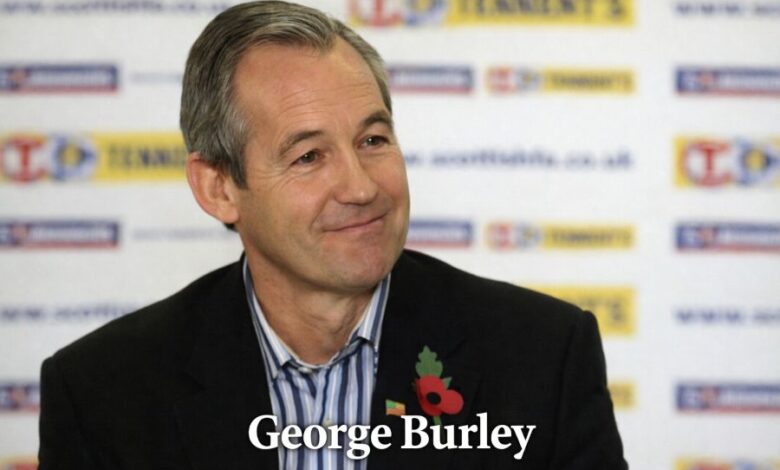
Table of Contents
ToggleIntroduction
George Burley is a name that commands respect in British football, particularly among supporters who value discipline, long-term vision, and honest leadership. Known formally as George Elder Burley, he carved out a remarkable career first as a dependable defender and later as a thoughtful, sometimes uncompromising football manager. His journey reflects both the triumphs and pressures of elite football, showing how success and setbacks often walk side by side.
As a Scottish former football player and manager, George Burley’s career spanned decades across England, Scotland, and international football. From winning major trophies with Ipswich Town to guiding clubs through promotion battles and managing the Scotland national team, his story is one of resilience, professionalism, and enduring influence.
Quick Bio: George Burley
| Attribute | Details |
|---|---|
| Full Name | George Elder Burley |
| Known As | George Burley |
| Date of Birth | 3 June 1956 |
| Birthplace | Cumnock, East Ayrshire, Scotland |
| Nationality | Scottish |
| Profession | Former football player, Football manager |
| Playing Position | Right-back |
| Playing Career | 1973–1995 |
| Managerial Career | 1991–2012 |
| International Caps | 11 (Scotland) |
Early Life and Football Foundations
George Burley was born in Cumnock, East Ayrshire, a town with strong football traditions. From an early age, he displayed discipline and tactical awareness, qualities that would later define both his playing and managerial careers. Rather than following an academic route, his path was shaped early by football, leading him to leave Scotland as a teenager to pursue professional opportunities.
In 1971, Burley joined the youth system at Ipswich Town. This move proved decisive. Ipswich offered structure, patience, and a footballing philosophy that matched his temperament. The club became not just his employer, but his footballing home, shaping his identity as a professional.
Playing Career: Consistency Over Flash
Ipswich Town Years
George Burley made his professional debut for Ipswich Town in 1973, beginning what would become a legendary association with the club. Playing primarily as a right-back, he was never the loudest or most glamorous player, but he was dependable, tactically sound, and mentally strong.
His time at Ipswich coincided with one of the club’s golden eras. Burley was part of the squad that won the FA Cup in 1978 and the UEFA Cup in the 1980–81 season. While injuries denied him moments in the spotlight, his contribution across seasons was immense. He made nearly 400 league appearances for Ipswich, an achievement that speaks to durability and trust.
Later Playing Years
After leaving Ipswich in 1985, Burley continued his career with Sunderland, Gillingham, and later returned to Scotland with Motherwell. He also served as a player-manager at Ayr United, a role that marked the beginning of his transition into management.
These later years were less glamorous but deeply important. They allowed Burley to understand leadership from inside the dressing room, learning how players respond under pressure and uncertainty.
International Career with Scotland
George Burley earned 11 caps for the Scotland national team between 1979 and 1982. While his international career was not lengthy, it placed him among the elite footballers of his generation. Representing Scotland reinforced his reputation as a reliable defender trusted at the highest level.
Transition into Management
Early Managerial Roles
Burley’s managerial career began while he was still playing, most notably at Ayr United and later Colchester United. These early roles were challenging, involving limited resources and high expectations. They tested his patience and problem-solving skills, shaping his pragmatic approach to football management.
Ipswich Town: The Defining Chapter
The most significant chapter of George Burley’s managerial career came at Ipswich Town, where he served from 1994 to 2002. This period defined his legacy as a manager.
Under his leadership, Ipswich achieved promotion to the Premier League in the 1999–2000 season. Against expectations, the club finished fifth in the Premier League the following season, qualifying for European competition. Burley’s work earned him Premier League Manager of the Year, a testament to tactical intelligence and squad management.
However, success came with pressure. Financial strain and squad limitations eventually led to relegation, highlighting the harsh realities of top-level football. This balance of success and struggle defines Burley’s managerial narrative.
Later Managerial Career and Challenges
After Ipswich, George Burley managed Derby County, Heart of Midlothian, and Southampton, where he again demonstrated his ability to stabilize teams and push for promotion. His appointment as Scotland national team manager in 2008 marked a career peak, but results did not meet expectations, leading to his dismissal.
He later managed Crystal Palace and Apollon Limassol, concluding his managerial career in 2012. These roles were demanding and sometimes unforgiving, reinforcing how football management offers little margin for error.
Leadership Style and Football Philosophy
George Burley is known for a disciplined, structured approach to football. He valued organization, teamwork, and long-term planning over short-term flair. While this approach brought success, it also drew criticism during difficult periods, proving that leadership in football is rarely judged with patience.
Health and Personal Strength
In 2024, George Burley publicly shared his health battle, later confirming in 2025 that he had successfully completed treatment. This chapter added a deeply human dimension to his story, reminding supporters that resilience extends beyond the pitch.
Legacy in Football
George Burley’s legacy is defined not by constant headlines but by lasting impact. As George Elder Burley, the Scottish former football player and manager, he remains a symbol of professionalism and loyalty, particularly at Ipswich Town.
His career shows that football greatness is not always loud or glamorous. Sometimes, it is built quietly through consistency, integrity, and the courage to lead even when results turn against you.
Conclusion
George Burley’s football journey reflects the true nature of the sport: moments of glory balanced by hard lessons. From trophy-winning defender to Premier League manager of the year, his career stands as a powerful reminder that success is earned through patience, discipline, and resilience. His name remains firmly written into the history of British football.
Frequently Asked Questions (FAQ)
Who is George Burley?
George Burley is a Scottish former football player and manager known for his long association with Ipswich Town and his role as Scotland national team manager.
What position did George Burley play?
He played primarily as a right-back during his professional football career.
What is George Burley best known for?
He is best known for winning major trophies as a player with Ipswich Town and leading the club to a fifth-place Premier League finish as manager.
Did George Burley manage the Scotland national team?
Yes, he served as Scotland’s national team manager from 2008 to 2009.
What is George Burley’s legacy?
His legacy lies in disciplined leadership, long-term team building, and a career marked by both success and resilience in professional football.