Understanding Cubital Tunnel Syndrome
What Cubital Tunnel Syndrome Is
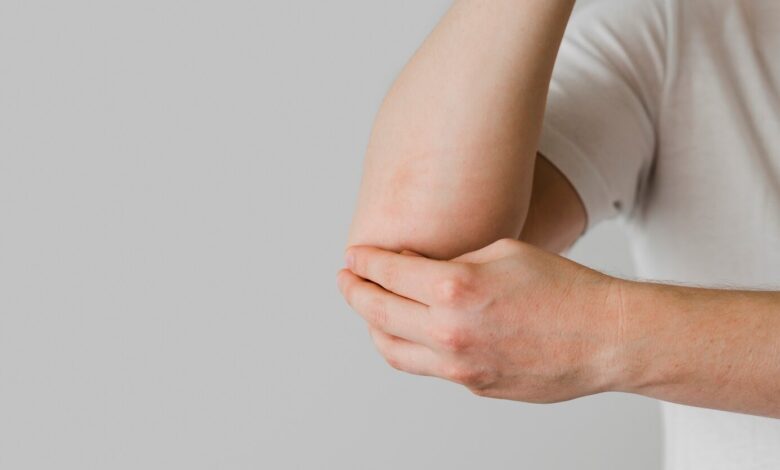
Cubital tunnel syndrome is a condition that occurs when the ulnar nerve, which runs along the inside of the elbow, becomes compressed or irritated. The ulnar nerve is responsible for providing sensation to the ring and little fingers, as well as controlling several small muscles in the hand that allow for fine movements. Compression of this nerve can lead to numbness, tingling, and weakness in the affected areas.
The condition often develops gradually and can be influenced by repetitive elbow movements, prolonged pressure on the inner elbow, or anatomical factors that narrow the cubital tunnel. Activities such as typing, resting the elbow on a hard surface, or frequent bending of the arm can exacerbate symptoms over time.
Common Causes and Risk Factors
Several factors can increase the risk of developing cubital tunnel syndrome. These include:
- Repetitive elbow movements: Frequent bending and straightening of the elbow can irritate the ulnar nerve.
- Direct pressure: Leaning on the elbow for long periods can compress the nerve.
- Anatomical variations: A naturally narrow cubital tunnel may predispose someone to nerve compression.
- Previous injury: Trauma to the elbow can contribute to nerve entrapment.
- Medical conditions: Arthritis, diabetes, or other inflammatory conditions affecting the elbow or hand can increase susceptibility.
Understanding these risk factors helps in preventing the onset of symptoms and allows for early intervention to reduce nerve damage.
Symptoms of Cubital Tunnel Syndrome

Sensory Changes in the Hand
Patients with cubital tunnel syndrome often experience tingling or numbness in the ring and little fingers. This sensation may be more noticeable when the elbow is bent, such as during phone use, sleeping, or holding objects. In some cases, the hand may feel clumsy, and patients may drop items due to reduced coordination.
Muscle Weakness and Atrophy
As the condition progresses, the muscles controlled by the ulnar nerve may weaken. This can affect grip strength and fine motor skills, making it difficult to perform everyday tasks such as buttoning a shirt or holding a pen. In severe cases, muscle wasting in the hand may become visible, highlighting the importance of early diagnosis and treatment.
Pain and Discomfort
Some patients report aching or sharp pain along the inside of the elbow, which can extend to the forearm and hand. This discomfort often worsens at night or after prolonged periods of elbow flexion. Identifying pain patterns can help differentiate cubital tunnel syndrome from other conditions, such as arthritis of the hand or cervical nerve compression.
Diagnosis and Assessment

Medical Examination
A healthcare professional in Manchester typically starts with a detailed medical history and physical examination. Tests may include:
- Tinel’s sign: Tapping over the ulnar nerve at the elbow to check for tingling sensations in the fingers.
- Elbow flexion test: Bending the elbow to see if symptoms worsen, which can indicate nerve compression.
- Muscle strength assessment: Evaluating the strength of the small hand muscles controlled by the ulnar nerve.
Imaging and Nerve Studies
In some cases, imaging tests such as X-rays or MRI scans may be used to assess structural issues in the elbow, including arthritis or bone spurs. Electromyography (EMG) or nerve conduction studies can measure the electrical activity of the ulnar nerve and confirm the extent of nerve compression. These assessments provide valuable information for tailoring treatment plans.
Treatment Options in Manchester
Conservative Management
For mild or early-stage cubital tunnel syndrome, non-surgical treatments are often effective. These may include:
- Activity modification: Avoiding repetitive elbow movements or pressure on the elbow.
- Splinting: Using an elbow brace to keep the arm straight, especially at night, can reduce nerve irritation.
- Physical therapy: Exercises to improve nerve mobility and reduce compression.
- Anti-inflammatory medications: Non-steroidal anti-inflammatory drugs (NSAIDs) may help relieve pain and swelling.
These measures aim to relieve pressure on the ulnar nerve and prevent further damage, particularly when the condition is detected early.
Surgical Intervention
If symptoms persist despite conservative management, surgery may be recommended. Surgical options vary depending on the severity of the nerve compression and may include:
- Ulnar nerve decompression: Removing structures that compress the nerve to allow it to function freely.
- Medial epicondylectomy: Removing part of the bone to reduce pressure on the nerve.
- Ulnar nerve transposition: Moving the nerve to a less compressed position in the arm.
Post-operative care often involves physical therapy to restore strength and mobility, as well as strategies to prevent recurrence.
Managing Arthritis of the Hand
It is important to note that hand arthritis can contribute to symptoms similar to cubital tunnel syndrome, including stiffness, pain, and reduced grip strength. Arthritis of hand treatment in Manchester may include medications, splints, and exercises to reduce inflammation and maintain joint function. Managing arthritis effectively can complement cubital tunnel syndrome treatment by supporting overall hand function and reducing discomfort.
Living with Cubital Tunnel Syndrome
Daily Management Strategies
Patients can adopt practical strategies to manage symptoms and reduce nerve stress, such as avoiding prolonged elbow flexion, taking breaks during repetitive tasks, and using ergonomic supports at workstations. These adjustments can significantly improve quality of life and slow progression of the condition.
Monitoring Progress
Regular follow-ups with a healthcare provider are essential for monitoring nerve function and adjusting treatment plans. Early intervention can prevent long-term complications, including permanent muscle weakness and reduced hand function.
Conclusion
Cubital tunnel syndrome in Manchester affects nerve function by compressing the ulnar nerve, leading to numbness, tingling, muscle weakness, and pain in the hand and forearm. Early diagnosis, conservative management, and surgical options when necessary can restore nerve function and improve hand strength. In addition, addressing contributing conditions such as arthritis of the hand ensures comprehensive care for optimal outcomes. Patients experiencing symptoms should seek medical assessment promptly to prevent long-term nerve damage and maintain functional use of their hands.