Sunil Gavaskar – The Unshakeable Legend of Indian Cricket
How the “Little Master” Redefined Courage, Technique, and Excellence at the Top of the Order

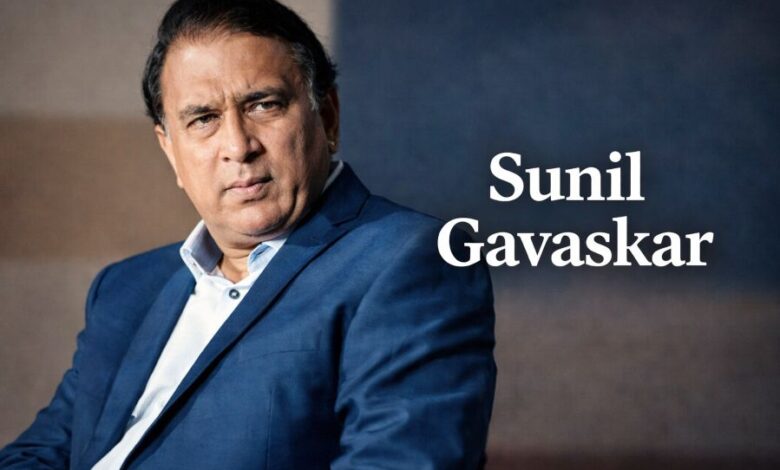
Table of Contents
ToggleIntroduction
Sunil Gavaskar is not just a name in Indian cricket; he is a foundation stone upon which modern Indian batting was built. At a time when Indian batsmen were often considered vulnerable against fast bowling, Gavaskar walked out fearlessly to face the world’s most intimidating bowlers without a helmet, armed only with supreme technique and unbreakable self-belief. This courage made him a symbol of resistance and excellence, but it also brought immense pressure and physical risk.
Popularly known as Sunny and the Little Master, Sunil Gavaskar changed how the cricketing world perceived Indian cricketers. He inspired generations to believe that skill, discipline, and mental strength could overcome reputation and raw pace. While his career was filled with extraordinary highs, it also carried criticism for his cautious approach in limited-overs cricket, proving that even legends are shaped by both praise and debate.
Quick Bio
| Attribute | Details |
|---|---|
| Full Name | Sunil Manohar Gavaskar |
| Nickname | Sunny, Little Master |
| Date of Birth | 10 July 1949 |
| Age | 76 years (as of 2025) |
| Birth Place | Mumbai, Maharashtra, India |
| Nationality | Indian |
| Profession | Former Indian cricketer, Commentator, Author |
| Batting Style | Right-handed |
| Role | Opening Batsman |
Early Life and Background
Sunil Gavaskar was born in Mumbai into a family deeply connected with cricket. His maternal uncle, Madhav Mantri, represented India at the Test level, which naturally introduced Gavaskar to the game from a very young age. Growing up in Mumbai’s competitive cricket culture shaped his discipline and hunger for perfection, but it also meant constant comparison and expectation.
As a young boy, Gavaskar displayed remarkable focus and technical clarity. Unlike many prodigies who rely on raw talent, he spent years refining his defensive technique. This early dedication laid the groundwork for a career defined by consistency rather than flair, a trait that earned admiration but also occasional criticism for being overly cautious.
Education and Cricketing Foundation
Gavaskar completed his schooling at St. Xavier’s High School and later studied at St. Xavier’s College, Mumbai. His academic journey ran parallel to his rapid rise in cricket, reflecting a balanced upbringing that valued discipline both on and off the field.
During his college years, he dominated local and domestic cricket, particularly in the Bombay circuit. These performances made it clear that Sunny was not just another talented Indian cricketer, but a technically complete batsman ready for international challenges. His calm temperament became his greatest weapon, especially in pressure situations.
Start of International Career
Sunil Gavaskar made his Test debut in 1971 against the West Indies, one of the most feared bowling attacks in cricket history. Instead of being overwhelmed, he produced one of the greatest debut series ever, scoring heavily and consistently. This performance instantly established him as a world-class opener.
This early success was both a blessing and a burden. While it earned him global respect, it also placed enormous expectations on his shoulders for the rest of his career. From that moment, Gavaskar was no longer just an Indian cricketer; he was India’s frontline defense against the world’s fastest bowlers.
Rise as the Little Master
The nickname Little Master perfectly captured Gavaskar’s stature and skill. Despite not being physically imposing, he mastered timing, footwork, and shot selection. His ability to leave the ball intelligently frustrated bowlers and protected the middle order.
However, his style also divided opinions. Some fans admired his patience and resilience, while others felt his cautious approach slowed the game, especially in limited-overs formats. This contrast highlights how Gavaskar’s greatness was rooted in substance rather than spectacle.
Complete Career Overview
Sunil Gavaskar’s international career spanned from 1971 to 1987. Over these years, he became the first batsman in history to score 10,000 runs in Test cricket, a milestone that redefined batting longevity and consistency. His 34 Test centuries stood as a world record for nearly two decades.
In One Day Internationals, Gavaskar adapted gradually. While he was not known for explosive scoring, he eventually proved he could accelerate when required. His century in an ODI came later in his career, silencing critics who doubted his adaptability, though debates about his approach continued.
Leadership and Captaincy
As captain of the Indian team, Gavaskar was known for his disciplined and strategic mindset. He emphasized preparation, technique, and mental toughness, values that reflected his own playing philosophy.
At times, his conservative tactics drew criticism, especially in matches demanding aggressive decisions. Yet, his leadership helped India compete more confidently overseas, laying the groundwork for future success under more attacking captains.
Life After Cricket
After retiring, Sunil Gavaskar seamlessly transitioned into commentary and cricket analysis. His insights, grounded in experience and technical understanding, earned him respect as one of the most knowledgeable voices in the game.
He also co-founded the Professional Management Group, contributing to the professionalization of sports management in India. Through writing and media appearances, Sunny remained deeply involved in shaping cricket discourse, proving that his influence extended far beyond the boundary rope.
Legacy and Impact on Indian Cricket
Sunil Gavaskar’s legacy is both powerful and complex. Positively, he proved that Indian cricketers could dominate world cricket with technique and courage. He inspired legends like Sachin Tendulkar and Rahul Dravid, who followed his emphasis on discipline and preparation.
On the negative side, critics argue that his conservative style delayed India’s evolution into aggressive limited-overs cricket. Yet, even this criticism underscores his importance, as it sparked conversations that helped Indian cricket evolve. His legacy, therefore, is not just about records, but about transformation.
Conclusion
Sunil Gavaskar remains one of the most influential figures in cricket history. As an Indian cricketer, Sunny shattered stereotypes and redefined what was possible for batsmen from the subcontinent. His career was built on courage, patience, and relentless discipline, qualities that brought immense success but also scrutiny.
The Little Master may not have been universally loved for his style, but he was universally respected for his substance. In the story of Indian cricket, Sunil Gavaskar stands as a pioneer whose impact continues to echo through every technically sound opening partnership India fields today.
Frequently Asked Questions (FAQ)
Who is Sunil Gavaskar?
Sunil Gavaskar is a former Indian cricketer, widely regarded as one of the greatest opening batsmen in cricket history.
Why is Sunil Gavaskar called the Little Master?
He earned the nickname Little Master due to his short height and masterful batting technique against the world’s best bowlers.
What made Sunil Gavaskar special as an Indian cricketer?
His ability to dominate fast bowling without fear or protective gear set him apart and changed global perceptions of Indian batsmen.
What are Sunil Gavaskar’s major achievements?
He was the first player to score 10,000 Test runs and held the record for most Test centuries for many years.
What is Sunil Gavaskar doing now?
He is active as a cricket commentator, analyst, author, and sports management professional, continuing to influence the game off the field.