George Laughrun: The Relentless Defender of Justice in North Carolina
Uncovering the life, achievements, and legal legacy of one of Charlotte’s most respected criminal defense attorneys

Introduction to George Laughrun’s Legal Legacy
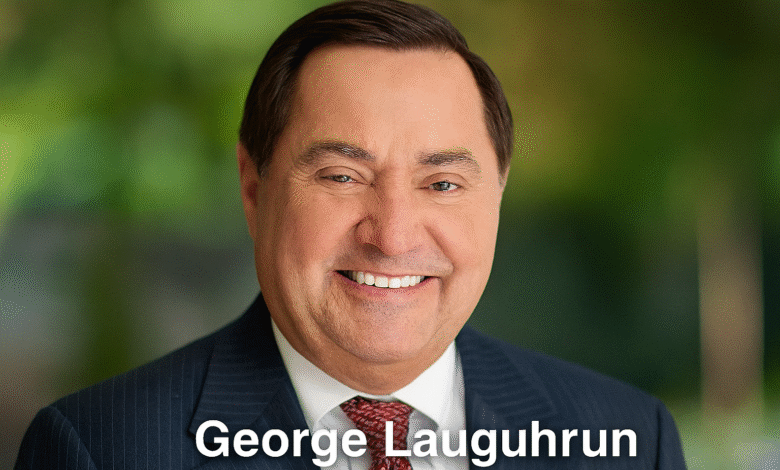
George Laughrun stands as one of North Carolina’s most experienced and distinguished criminal defense attorneys. Known for his fierce advocacy and relentless pursuit of justice, Laughrun has handled some of the state’s most high-profile and complex cases, making a name for himself both inside and outside the courtroom. With more than four decades of legal experience, his career reflects a deep commitment to defending the rights of the accused.
Born in eastern Tennessee and raised in Charlotte, George Laughrun’s early life was grounded in hard work, humility, and resilience. From flipping burgers to pushing through law school with the support of working-class parents, Laughrun’s story embodies determination. These early experiences have fueled his empathetic and determined approach to law, earning him a solid reputation among clients and peers.
Early Life and Education of George Laughrun
George V. Laughrun II moved to Charlotte at the age of five and quickly adapted to life in a growing Southern city. Raised by hardworking parents—his father a guidance counselor and his mother a pharmacy tech—Laughrun learned the value of persistence, humility, and service. These values became the foundation of his personal and professional life, inspiring his decision to pursue law.
He earned his undergraduate degree from Appalachian State University in 1977, graduating cum laude. Driven by an unwavering desire to advocate for others, Laughrun went on to complete his Juris Doctor from the Cumberland School of Law in 1980, also with honors. While studying, he worked part-time jobs to pay his way, showcasing a work ethic that would later define his professional approach in the courtroom.
Beginning of His Legal Career
George Laughrun began his career as an Assistant District Attorney in Mecklenburg County shortly after graduating from law school. This initial position provided him with a critical understanding of the prosecutorial process and a deeper appreciation for the justice system. It also gave him the courtroom experience necessary to evolve into a skilled trial attorney.
In 1982, Laughrun transitioned to criminal defense and joined what would become the Goodman Carr law firm. His passion for justice and ability to defend even the most challenging cases made him a standout figure. He was admitted to the U.S. Supreme Court bar in 1983, just a year into private practice—a rare and significant milestone.
Career Milestones and Notable Achievements
George Laughrun has participated in over 150 jury trials at the state and federal levels. He is known across North Carolina for his successful defense strategies in DUI, criminal, and high-profile celebrity cases. From sports figures to complex federal cases, Laughrun has remained a trusted name in legal defense, demonstrating unmatched courtroom confidence.
One of his most celebrated cases involved defending an NBA player charged with DUI—an athlete who left trial mid-proceeding to score a career-high in a game, then returned to be acquitted. Another notable trial saw him defending a UNC Charlotte football player in a rape case, where Laughrun and his daughter—also a lawyer—secured a not-guilty verdict. These moments underscore his commitment to truth, fairness, and legal precision.
Certifications, Awards, and Public Recognition
As a board-certified criminal law specialist since 1991, George Laughrun holds one of the highest distinctions in the legal field. He was among the first in North Carolina to earn this certification, reflecting not just his experience but his mastery of the law. This specialist status sets him apart from general practitioners and affirms his authority in criminal defense.
Over the years, he has earned countless accolades, including a consistent spot on the North Carolina Super Lawyers list since 2005. Charlotte Magazine recognized him as one of the city’s toughest DWI attorneys, and Business North Carolina listed him under Legal Elite. His AV Preeminent® rating by Martindale-Hubbell for over 25 years confirms his excellence in both legal skill and ethical standards.
Philosophy and Approach to Criminal Defense
Laughrun’s legal philosophy is rooted in the belief that every person deserves a strong defense, regardless of the accusation. He has often referred to trial work as “war,” and he thrives in the high-stakes pressure of the courtroom. This mindset makes him a formidable opponent for prosecutors and a powerful ally for clients.
He brings not only legal acumen but also deep compassion to each case. His clients often describe him as understanding, honest, and direct—someone who doesn’t sugar-coat the truth but fights until the very end. For Laughrun, the courtroom is not just about winning—it’s about ensuring that the system delivers justice.
Personal Life and Family Support
Behind his public success is a deeply rooted personal life. George met his wife on his first date at age 15, and they’ve been married for more than 30 years. He is also a proud father of two children—both practicing attorneys—one of whom works directly alongside him at Goodman Carr. His daughter practices family law, continuing the legacy of service in the legal field.
Outside of law, Laughrun enjoys golf and has served on the board of Carmel Country Club in Charlotte. He is known to be a devoted grandfather and often shares stories about his grandson. His balanced family life adds a personal depth that shapes the kind, grounded approach he brings to legal practice.
Continued Impact and Latest Developments
George Laughrun was elected to the North Carolina State Bar Council in 2021, giving him a platform to influence statewide legal policy and ethics. This position highlights his standing in the legal community and his commitment to improving the profession for future generations.
Despite decades of experience, he remains actively involved in trials, often taking on high-profile or sensitive cases. His involvement in these challenging matters demonstrates that even with a long-established career, Laughrun remains as dedicated as ever to defending the rule of law and protecting individual rights.
Conclusion: A Timeless Legal Force
George Laughrun is not just a seasoned attorney—he’s a symbol of integrity, perseverance, and unmatched legal skill. From his humble beginnings to courtroom triumphs, his story inspires not only aspiring lawyers but also anyone facing adversity. His ongoing contributions to North Carolina’s legal system continue to shape the state’s approach to criminal defense and uphold the core principles of justice.
As he remains active in both trials and legal governance, George Laughrun stands as a pillar in his profession. Whether advocating for clients, mentoring young lawyers, or helping define legal policy, his influence is profound and lasting.
Frequently Asked Questions (FAQ)
Q1: What type of law does George Laughrun specialize in?
George Laughrun specializes in criminal defense law, with particular expertise in DWI/DUI cases, traffic offenses, and federal criminal trials.
Q2: How many years has George Laughrun practiced law?
He has been practicing law for over 40 years, beginning his career in 1980 as an Assistant District Attorney before transitioning to private defense work.
Q3: Is George Laughrun still actively practicing?
Yes, he continues to actively represent clients in high-profile cases and also serves on the North Carolina State Bar Council.
Q4: Where is George Laughrun based?
He is based in Charlotte, North Carolina, and is a senior partner at Goodman Carr law firm.
Q5: What makes George Laughrun’s approach to law unique?
His approach is a blend of deep courtroom experience, ethical commitment, and personal empathy. He treats each case with care and attention, ensuring his clients receive a strong, honest defense.