Hydraulic press brake machines bend sheet metal by using hydraulic force to push a ram down onto a die. In 2026, these machines remain popular in shops for their strength and ability to handle tough jobs. Many factories still choose hydraulic models over electric or hybrid ones for heavy work. This guide walks you through everything you need to know to pick the right one. We cover types, key features, how to choose, and trends for this year. Let’s get started so you can make a smart buy.
What is a Hydraulic Press Brake Machine?
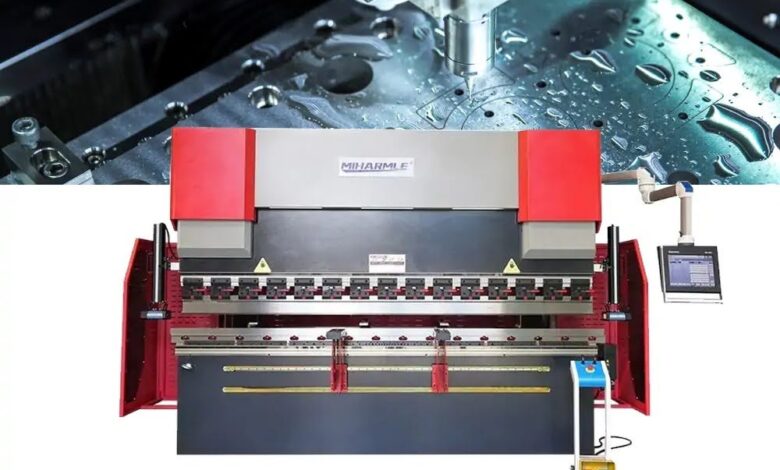
A hydraulic press brake uses oil under pressure in cylinders to move the upper beam or ram. This creates the force needed to bend metal sheets. The machine has a frame, bed, ram, back gauge, and controls. Hydraulic fluid pushes pistons to apply even pressure across the length.
These machines come in different sizes, from small ones for light work to big ones over 1000 tons. They bend materials like steel, aluminum, and stainless. You set the bend angle, and the machine applies force until it reaches the stop. Modern ones use CNC controls for fast setup and accurate bends.
Types of Hydraulic Press Brakes
There are a few main types you will see in 2026.
First, standard hydraulic press brakes use two cylinders for most jobs. They work well for general bending.
Second, synchronized hydraulic models have better control. They use sensors to keep the ram level, which helps with long bends.
Third, servo-hydraulic or electro-hydraulic ones mix hydraulic power with electric drives. They save energy and give more precision than old-school hydraulics.
Fourth, tandem press brakes link two machines for very long parts.
Pick the type based on your shop size and what you bend most.
Key Features to Look for in 2026
In 2026, good hydraulic press brakes have these must-have features.
Tonnage and bending length come first. Tonnage is the force in tons. Match it to your thickest material. Add 20% extra for safety.
CNC controls are now standard. They let you program bends quickly with 3D graphics. Look for touch screens and offline software.
Back gauge systems position the sheet. CNC back gauges with multiple axes move fast and accurate.
Crowding or deflection compensation fixes bend issues on long pieces. Automatic crowning uses hydraulics or wedges.
Safety features include light curtains, two-hand controls, and laser guards.
Energy efficiency matters more now. Servo pumps cut power use when idle.
Tool clamping can be manual or hydraulic for quick changes.
These features boost speed, cut errors, and keep workers safe.
Advantages of Hydraulic Press Brakes
Hydraulic models have clear benefits.
They handle high tonnage easily, great for thick plates over 10mm.
They give steady force for consistent bends.
They cost less upfront than many electric options.
They work in heavy industries like construction and shipbuilding.
They last long with good maintenance.
They bend a wide range of materials without much trouble.
For big, tough jobs, hydraulics still lead.
Disadvantages of Hydraulic Press Brakes
There are some downsides too.
They use more energy than electric ones due to pumps running.
They need regular oil checks and filter changes.
Leaks can happen if seals wear out.
They run hotter, which affects precision over long shifts.
Setup takes longer without good CNC.
They are heavier and take more floor space.
In 2026, many shops weigh these against newer electric models.
How to Choose the Right Hydraulic Press Brake for Your Project
Follow these steps to pick the best one.
First, know your needs. What material thickness and length do you bend most? Calculate tonnage with a formula: force = (material strength x thickness squared x length) / die opening. Add safety margin.
Second, check bend length. Make sure the machine’s between-frame distance fits your longest part.
Third, look at stroke and open height. Tall tools or deep boxes need more.
Fourth, decide on control level. Basic NC for simple work, full CNC for complex parts.
Fifth, think about future growth. Get a machine with room to add automation.
Sixth, check brand and support. Good service saves headaches.
Seventh, compare prices and warranties.
Test or demo if possible.
Match the machine to your daily output and budget. Check out the top press brake manufacturers for options that fit your shop.
Trends in Hydraulic Press Brakes for 2026
This year brings changes.
CNC systems get smarter with 3D simulation and AI for bend prediction.
Energy-saving servo hydraulics cut costs and meet green rules.
Automation like robotic loading grows to fix labor shortfalls.
IoT connects machines for real-time monitoring and predictive fixes.
Precision improves with better sensors and feedback.
Hybrid models blend hydraulic power with electric speed.
The market grows as factories want efficient bending.
These trends make hydraulic presses better than ever.
When to Buy a New Hydraulic Press Brake
Upgrade if your old machine breaks often or lacks accuracy.
If you need faster production or handle new materials.
When you want CNC to cut setup time.
If energy bills are high from old hydraulics.
For safety upgrades with modern guards.
If you expand and need more capacity.
A new one boosts output and quality.
Conclusion
Picking a hydraulic press brake in 2026 means looking at your work, features, and trends. Focus on tonnage, length, controls, and energy use. Hydraulic models give reliable power for heavy bending at good cost. With CNC and smart features, they stay competitive.
For more info and machines, visit https://miharmle-cnc.com/.
Use this guide to choose wisely. Talk to suppliers about your exact needs.
READ ALSO: How Much Does It Cost to Replace a Car Alternator? Market Price Analysis for 2026