Eunice Spry: The Chilling Story of a Foster Carer’s Hidden Darkness
Unmasking the life, crimes, and consequences of Britain’s most notorious foster mother

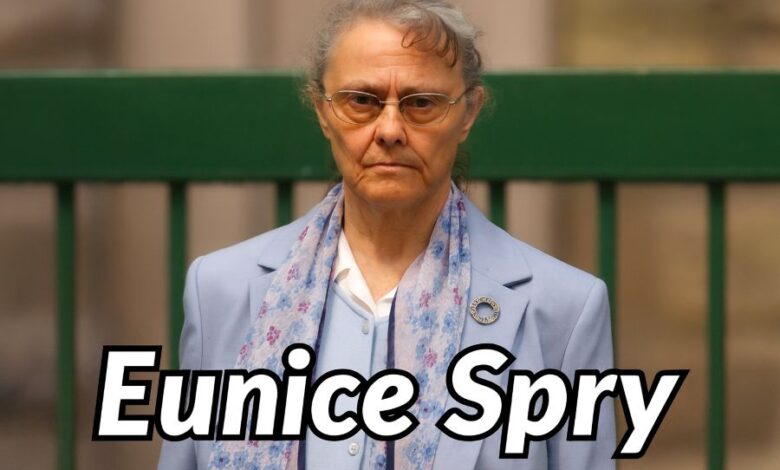
Introduction
Eunice Spry is a name that became infamous across the United Kingdom for one of the most shocking child abuse cases in British history. Once seen as a respectable foster carer and devout Jehovah’s Witness, her life took a dark turn that exposed deep failures in the social care system. This article explores the complete and verified biography of Eunice Spry — her background, crimes, trial, and lasting legacy on child protection laws.
Her case is both disturbing and eye-opening. It reveals how a person who appeared kind, religious, and caring could secretly inflict unimaginable pain on the children she was trusted to protect. Eunice Spry’s story stands as a grim reminder of how easily appearances can deceive, and how vigilance in foster care remains a moral and social necessity.
Table of Contents
ToggleQuick Bio
| Attribute | Details |
|---|---|
| Full Name | Eunice Spry |
| Date of Birth | 28 April 1944 |
| Birthplace | Tewkesbury, Gloucestershire, England |
| Nationality | British |
| Religion | Jehovah’s Witness |
| Profession | Registered Foster Carer, Childminder |
| Conviction | Child Cruelty, Assault, Perverting Justice |
| Sentence | 14 years (reduced to 12 years on appeal) |
| Release | June 2014 (after serving 7 years) |
| Known For | Severe abuse of foster and adopted children |
Eunice Spry’s Early Life and Background
Eunice Spry was born on 28 April 1944 in Tewkesbury, Gloucestershire, England. Little is publicly known about her upbringing, but as an adult she was regarded as a devout member of the Jehovah’s Witnesses and an active participant in her local community. Her calm and religious demeanor made her appear trustworthy to those who met her.
In time, Spry became a registered foster carer and childminder, entrusted by social services to care for vulnerable children. Her image as a religious and disciplined woman made her seem ideal for the role. However, behind this image was a hidden world of control, manipulation, and cruelty that would later horrify the nation.
The Life Behind Closed Doors
Eunice Spry’s home appeared normal from the outside, but within its walls, unspeakable acts were taking place. The children under her care endured years of emotional, physical, and psychological abuse. They were isolated from society, home-schooled, and constantly monitored to ensure her control over them remained absolute.
Reports later revealed that she inflicted punishment for minor mistakes, deprived the children of food, and subjected them to inhumane treatment. The abuse was systematic and long-lasting, leaving lasting emotional and physical scars. The children were too frightened to speak out, trapped in a life of fear and pain under someone who was supposed to be their guardian.
The Unveiling of the Truth
The truth about Eunice Spry’s actions came to light after one of the children finally managed to tell authorities about the years of cruelty. Investigators discovered overwhelming evidence that confirmed the children’s accounts. What followed was one of the most horrifying child abuse trials in modern British history.
During her trial in 2007, multiple witnesses testified about the physical and emotional torture they suffered. The details shocked the court and the public alike. The presiding judge called it “the worst case in 40 years of practice.” The trial was a turning point, exposing not just the crimes of one woman, but also the systemic failure of social care oversight.
Conviction and Sentencing
In April 2007, Eunice Spry was found guilty on 26 charges, including child cruelty, assault occasioning actual bodily harm, and perverting the course of justice. The evidence was overwhelming, and the sentence reflected the gravity of her crimes. She was sentenced to 14 years in prison, later reduced to 12 years on appeal in 2008.
The victims, who had survived years of abuse, finally found justice. Their courage to speak out against their abuser not only helped expose Spry’s cruelty but also encouraged a national conversation about improving foster-care monitoring. Her conviction remains a landmark case in the history of child protection in the UK.
Life After Prison
After serving around seven years of her sentence, Eunice Spry was released from prison in June 2014. Her release caused distress among her victims and concern within the community. Although she had served her legal sentence, her name remained synonymous with cruelty and manipulation.
The survivors of her abuse continued to live with the long-term effects of trauma. Some went on to publish books recounting their experiences, turning their pain into strength. These works, including Tortured by Victoria Spry and Child C by Christopher Spry, played a crucial role in shedding light on the reality of hidden abuse within foster care.
Legacy and Impact
The case of Eunice Spry left an indelible mark on British society. It forced social services, foster agencies, and child protection departments to re-evaluate their systems of oversight and accountability. The failure to detect her abuse for years highlighted the dangers of unchecked authority and the importance of listening to children’s voices.
Her name is now used as a reference point in safeguarding discussions and training programs. The story serves as both a warning and a lesson: appearances can be deceiving, and even the most trusted figures must be subject to scrutiny when the welfare of children is at stake. The bravery of her victims and their advocacy for reform remain a beacon of hope in an otherwise dark narrative.
Conclusion
Eunice Spry’s biography is not one of success or admiration but of deception, cruelty, and systemic failure. Once seen as a respectable figure, she betrayed the trust placed in her and inflicted years of pain on innocent children. Her case stands as a reminder that evil can hide behind masks of piety and care.
Despite the horror of her actions, the legacy of her victims shines brighter. Through their courage and resilience, they turned tragedy into awareness and reform. Their voices continue to inspire efforts to protect children and strengthen foster-care systems across the United Kingdom.
Frequently Asked Questions (FAQ)
1. Who is Eunice Spry?
Eunice Spry is a British woman convicted in 2007 for severe abuse of her foster and adopted children, one of the most disturbing child abuse cases in UK history.
2. When was Eunice Spry born?
She was born on 28 April 1944 in Tewkesbury, Gloucestershire, England.
3. What was Eunice Spry’s sentence?
She was sentenced to 14 years in prison for 26 counts of abuse, later reduced to 12 years on appeal.
4. When was she released from prison?
Eunice Spry was released in June 2014 after serving a little more than seven years.
5. What impact did her case have on child protection laws?
Her case led to significant scrutiny and reform in the UK’s foster-care system, emphasizing stronger monitoring and accountability.
6. What books were written about the case?
Her victims published powerful memoirs, including Tortured by Victoria Spry and Child C by Christopher Spry, sharing their experiences and survival stories.
7. Why is the Eunice Spry case significant?
It remains a symbol of both the darkest side of foster care and the enduring strength of survivors who fought for justice and awareness.