Choosing a home cinema projector in 2026 feels confusing with so many models, specs, and buzzwords. You see terms like 4K, HDR, LED, laser, ANSI lumens, and don’t know what really matters. The goal is simple: create a big, sharp, bright image that looks great in your room and fits your budget. To do that, you need to match key specs to how and where you watch. For example, a portable model such as the soundcore Nebula Mars 3 offers 1000 ANSI lumens, 1080p resolution, and up to a 200‑inch image for flexible cinema‑style setups.
Understand Your Viewing Needs First
Define Your Primary Use (Movies, Gaming, Sports)
Start by deciding what you watch most. Movie lovers should focus on resolution, contrast, and color accuracy for rich, cinematic images. Gamers need low input lag, smooth motion, and good brightness so fast action stays clear. Sports fans want high brightness, solid motion handling, and vivid colors that pop in brighter rooms. If you often host friends, a larger screen size and wide viewing angles matter more. Portable projectors like the soundcore Nebula Mars 3 work well for casual movies and parties, while dedicated home theater projectors suit dark rooms and serious film or gaming setups.
Match the Projector to Your Room Size and Lighting
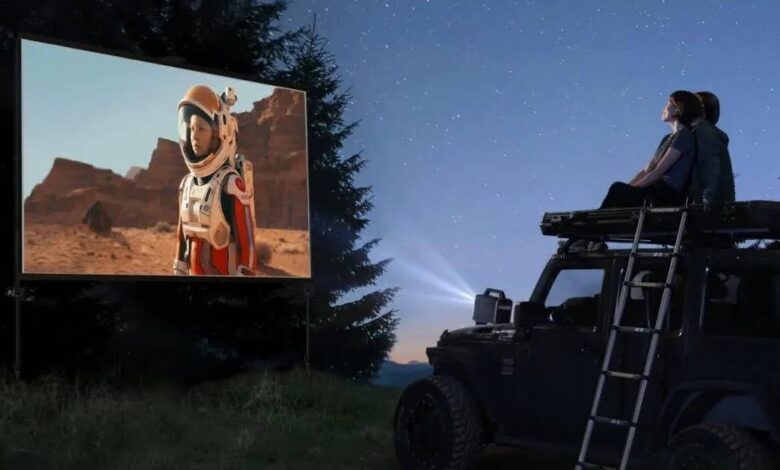
Look at your room before you look at specs. Measure the distance from the projector to the screen wall; this decides the throw ratio you need and your maximum screen size. Check how much light enters the room during viewing hours. Bright rooms need higher brightness, while dark, dedicated theaters can use lower‑lumen models with better contrast. Also consider ceiling height, furniture layout, and where you can place or mount the home cinema projector. A flexible option like the soundcore Nebula Mars 3, which can project up to 200 inches, fits apartments, living rooms, and occasional outdoor movie nights.
Key Features That Determine Projector Quality
Resolution and Image Clarity
Resolution affects sharpness and detail. For 2026, 1080p (Full HD) is the minimum for a satisfying home cinema, while 4K projectors provide extra clarity on screens above 100 inches. If you sit close to a large screen, a higher resolution helps remove visible pixel structure. Casual viewers on 80–120-inch screens may find 1080p, like on the soundcore Nebula Mars 3, more than enough. Also, check the source you use: streaming boxes, consoles, and Blu‑ray players should output the same or higher resolution. Avoid low‑resolution projectors that “fake” HD, as they often look soft and less immersive.
Brightness and ANSI Lumens Explained
Brightness, measured in ANSI lumens, tells you how well the image resists ambient light. Higher numbers mean a brighter picture. For dark, dedicated rooms, 800–1500 ANSI lumens usually work well. Living rooms with some daylight often need 1500–2500 ANSI lumens or more, depending on screen size. A projector like the soundcore Nebula Mars 3, with 1000 ANSI lumens, suits dim rooms and evening outdoor use on a large screen. Remember that very large screens always need more brightness. Also, manufacturers sometimes inflate basic “lumens” numbers, so focus on ANSI lumens from trusted brands and independent reviews.
Contrast Ratio and Color Accuracy
Contrast ratio shows the difference between the darkest black and brightest white. Higher contrast delivers deeper blacks and more punchy images, which matters most for movies in dark rooms. However, real‑world contrast often differs from the claimed numbers, so reviews and user images help. Color accuracy affects skin tones, landscapes, and movie grading. Look for projectors with support for wide color gamuts and picture modes like “Cinema” or “Movie”. Models tuned for home theater usually offer better color than office projectors. A well‑calibrated 1080p unit with good contrast can look better than a poorly tuned 4K model.
Choose the Right Projection Technology
LED vs Laser vs Lamp Projectors
LED projectors offer long life, low maintenance, and fast on/off, making them ideal for casual home cinema and portable setups. Laser projectors provide higher brightness, excellent color, and long lifespan, but often cost more upfront; they suit serious home theaters. Traditional lamp projectors usually deliver strong brightness and lower initial cost, but need lamp replacements every few thousand hours. A compact LED design like the soundcore Nebula Mars 3 gives 1000 ANSI lumens and up to 200 inches, which works well for flexible home and outdoor use. Choose based on budget, brightness needs, and how often you watch.
DLP vs LCD vs LCoS Technologies
DLP projectors use micro‑mirrors and often deliver sharp images, good contrast, and compact designs, which explains their popularity in portable and gaming models; some people notice “rainbow” artifacts, though. LCD projectors use liquid crystal panels and typically offer bright, colorful images with no rainbow effect, making them good for mixed‑use living rooms. LCoS (used by brands like JVC and Sony) blends the strengths of both, with smooth images and excellent contrast, ideal for high‑end home theaters. When you evaluate models, consider your sensitivity to motion artifacts, your budget, and whether you prioritize portability or reference‑level picture quality.
Conclusion
The best home cinema projector in 2026 is the one that fits your habits, room, and budget, not just the one with the highest specs. Start by clarifying what you watch, how big you want the image, and how bright your room is. Then compare resolution, brightness, contrast, and technology types with those needs in mind. A flexible 1080p LED projector like the soundcore Nebula Mars 3, with 1000 ANSI lumens and a 200‑inch maximum image, works beautifully for many homes. Enthusiasts can step up to brighter 4K laser or LCoS models for a truly premium experience.
READ ALSO: The Psychology Behind Chatbots: Why Users Prefer Automated Messaging