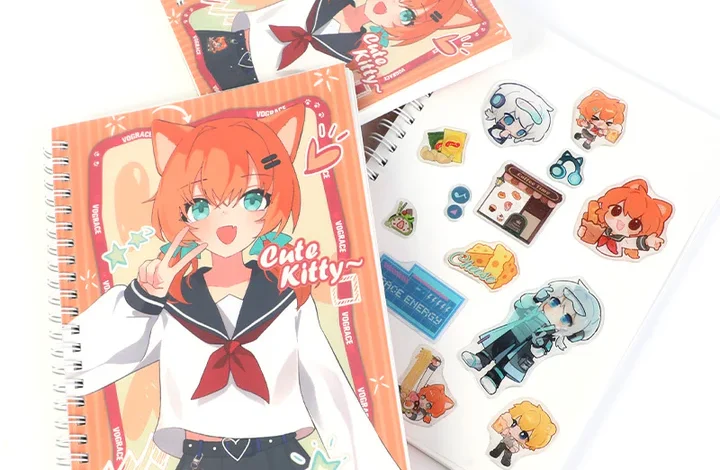
In today’s branding-focused business environment, companies are always searching for effective ways to create a strong and lasting impression. While digital marketing plays a huge role, physical branding tools remain incredibly powerful. One of the most popular and practical branding products is the notebook. Businesses, schools, and creators increasingly rely on custom printed notebooks to promote their identity, build recognition, and deliver real value to their audience.
However, the success of a custom notebook does not depend only on design. The printing method you choose plays a major role in determining quality, durability, cost, and overall appeal. Choosing the right printing option can make the difference between a premium product and an average promotional item.
Why Printing Quality Matters for Custom Notebooks
Printing quality is the foundation of any successful notebook. Even the most beautiful design can lose its impact if the printing is dull, blurry, or inconsistent. High-quality printing ensures that colors remain vibrant, logos appear sharp, and the notebook feels professional.
For businesses using custom printed notebooks as marketing tools, print quality directly affects brand perception. A poorly custom printed notebooks may make a brand look unprofessional, while a high-quality one enhances trust and credibility.
Since notebooks are used daily, printing must also be durable enough to withstand long-term handling, writing, and carrying.
Offset Printing: The Most Professional Option
Offset printing is one of the most commonly used methods for high-quality notebook production. It is ideal for large quantities and delivers excellent color accuracy.
Advantages of Offset Printing
- High-quality and sharp image reproduction
- Consistent color output across all notebooks
- Cost-effective for bulk orders
- Suitable for detailed and complex designs
Offset printing is often used by companies producing custom printed notebooks for corporate gifting, schools, and large promotional campaigns.
Best Use Cases
- Corporate branding projects
- Educational institutions
- Large-scale marketing campaigns
If you need premium quality and large quantities, offset printing is one of the best choices.
Digital Printing: Fast and Flexible
Digital printing is another popular option, especially for small to medium-sized orders. Unlike offset printing, it does not require printing plates, which makes it faster and more flexible.
Advantages of Digital Printing
- Quick production time
- Ideal for small batches
- Easy customization for each notebook
- Lower setup cost
Digital printing is perfect for businesses that want to test designs or produce limited editions of custom printed notebooks.
Best Use Cases
- Small businesses and startups
- Personalized notebooks
- Event-specific designs
- Short-run promotional campaigns
This method is ideal when speed and flexibility are more important than mass production.
Screen Printing: Bold and Durable Designs
Screen printing is a traditional method that produces bold and vibrant designs. It is commonly used for covers, especially when simple graphics or logos are involved.
Advantages of Screen Printing
- Long-lasting ink durability
- Strong color saturation
- Ideal for simple designs
- Works well on textured surfaces
Screen printing is especially useful for notebooks with minimalistic branding or bold logos.
Best Use Cases
- Promotional giveaways
- Simple corporate branding
- Merchandise-style notebooks
While it is not suitable for highly detailed designs, it delivers strong visual impact.
UV Printing: Premium and Modern Finish
UV printing is a modern technique that uses ultraviolet light to dry ink instantly. It produces sharp, vibrant, and high-resolution prints.
Advantages of UV Printing
- Extremely high print quality
- Fast drying process
- Resistant to fading and scratches
- Glossy and premium finish options
UV printing is widely used for luxury and high-end custom printed notebooks where appearance and durability are top priorities.
Best Use Cases
- Premium corporate gifts
- Luxury branding projects
- High-end promotional products
If you want your notebook to look elegant and professional, UV printing is an excellent choice.
Embossing and Debossing: Adding Texture to Design
Embossing and debossing are not traditional printing methods but finishing techniques that enhance the tactile experience of notebooks.
- Embossing raises the design above the surface
- Debossing presses the design into the material
Advantages
- Adds a premium feel
- Enhances brand identity
- Creates a memorable physical experience
- Works well with logos and initials
These techniques are often combined with other printing methods to create high-end custom printed notebooks.
Best Use Cases
- Executive notebooks
- Corporate gifting
- Luxury branding
Texture adds emotional value, making the notebook feel more special.
Foil Stamping: Luxury Branding Effect
Foil stamping uses metallic foil to create shiny designs, usually in gold, silver, or custom colors.
Advantages of Foil Stamping
- Eye-catching metallic finish
- Strong luxury appeal
- High brand impact
- Long-lasting visual effect
Foil stamping is often used to highlight logos or brand names on notebook covers.
Best Use Cases
- Premium corporate gifts
- Event giveaways for VIP clients
- Luxury brand merchandise
It is one of the most effective ways to make custom printed notebooks look elegant and high-value.
Choosing the Right Paper Quality
Printing is not just about ink—it also depends heavily on paper quality. The type of paper used affects writing experience, durability, and overall product satisfaction.
Common Paper Types
- Matte paper: Smooth and professional
- Glossy paper: Shiny and vibrant
- Recycled paper: Eco-friendly and sustainable
- Thick offset paper: Ideal for writing and durability
For notebooks, smooth and thick paper is usually preferred to prevent ink bleeding and ensure a comfortable writing experience.
Cover Material Options
The cover is the first thing users see, so its material is very important.
Popular Cover Options
- Hardcovers: Durable and premium
- Softcovers: Lightweight and flexible
- Leather covers: Executive and professional look
- Kraft paper covers: Eco-friendly style
Each material gives a different personality to custom printed notebooks, depending on the brand’s identity.
Binding Methods for Durability
Binding is another important factor that affects usability and longevity.
Common Binding Types
- Spiral binding: Easy to flip pages
- Perfect binding: Clean and professional look
- Saddle stitching: Simple and cost-effective
- Case binding: Premium hardcover finish
Spiral binding is practical for daily use, while perfect and case binding offer a more professional appearance.
How to Choose the Best Printing Option
Choosing the right printing method depends on several factors:
1. Budget
If budget is limited, digital printing is ideal. For large-scale production, offset printing is more cost-effective.
2. Quantity
- Small quantity: Digital printing
- Large quantity: Offset printing
3. Brand Positioning
- Premium brands: UV printing, foil stamping
- Standard branding: Offset or screen printing
4. Design Complexity
- Simple designs: Screen printing
- Detailed artwork: Digital or offset printing
5. Purpose
- Corporate gifts: Foil stamping or embossing
- Promotions: Offset printing
- Personal use: Digital printing
Understanding these factors helps businesses choose the most effective method for custom printed notebooks.
The Role of Printing in Brand Identity
Printing is not just a technical process—it is a branding decision. The quality of printing reflects how a business is perceived.
A well-printed notebook communicates:
- Professionalism
- Attention to detail
- Brand value
- Trustworthiness
This is why choosing the right printing method is essential for long-term brand success.
Conclusion
Choosing the best printing options for notebooks is a crucial step in creating high-quality branding products. From offset printing to UV finishing and embossing, each method offers unique advantages depending on budget, design, and purpose.
Businesses that invest in the right printing techniques for custom printed notebooks can significantly improve brand perception, customer engagement, and marketing effectiveness.
In a competitive market, details matter. And printing quality is one of the most important details that can turn a simple notebook into a powerful and memorable branding tool.