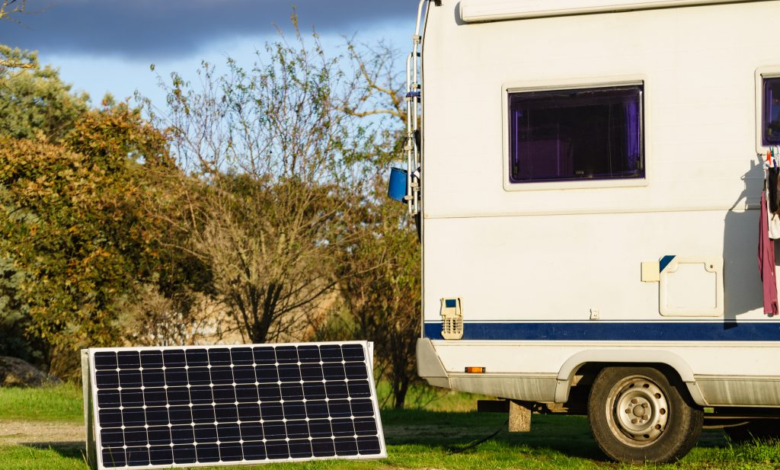
Motorhome travel is a form of road-based tourism in which a single self-contained vehicle provides transport, sleeping space, cooking facilities, storage, and everyday essentials. Its appeal begins with a simple possibility: breakfast beside the sea, lunch in a market town, and bedtime near a walking trail, without changing hotels or unpacking repeatedly.
Domestic tourism remains a major part of British travel. VisitBritain recorded 105.6 million overnight trips in Great Britain during 2024, with spending reaching £32.9 billion. Motorhomes suit this appetite for local exploration because they support short breaks, multi-stop routes, family trips, and activity-led holidays. This guide examines their benefits, holiday styles, planning requirements, costs, limitations, and the choice between renting and buying today.
Why Is Motorhome Travel Becoming More Popular for UK Holidays?
Motorhome travel is growing in popularity because it combines accommodation, transport, and flexibility in routes. Travelers can leave when rain arrives, stay longer when a place delights, or add another stop without having to find a new hotel. Clothes, food, equipment, and familiar belongings remain close throughout.
That freedom is structured rather than unlimited. Campsites may fill during school holidays, narrow roads can restrict larger vehicles, and local parking rules vary. Cornwall Council, for example, permits overnight stays in some designated car parks while banning them in others. Six reasons explain the attraction for many travelers:
- Control daily schedules.
- Reach rural and coastal destinations.
- Combine several places.
- Simplify family or pet travel.
- Carry food and equipment.
- Reduce dependence on fixed bookings.
What Are the Main Benefits of Motorhome Travel?
The main benefits of motorhome travel are itinerary control, combined transport and lodging, and outdoor access. A motorhome makes the journey part of the holiday, not just a transfer. Travelers can stop, cook, change after rain, or rest without returning to a base.
Vehicle choice shapes those benefits. Couples may prefer a compact 2-berth model, while families may need 4-berth or 6-berth layouts with suitable belted seats. Prospective buyers can compare specifications through established motorhome dealers in the UK before choosing a layout. Seven benefits stand out:
- Control the itinerary.
- Combine travel and accommodation.
- Reach less-connected places.
- Adjust plans around the weather.
- Carry personal equipment.
- Accommodate pets and children.
- Support activity-led trips.
Who Is Choosing Motorhome Holidays in the UK?
Motorhome holidays attract couples, families, retirees, pet owners, and outdoor enthusiasts—not one narrow demographic. Couples value spontaneous weekends and compact, easy-to-park vehicles. Families prioritize storage, kitchen facilities, proper seat belts, and layouts usable after beds are down. Retirees may enjoy longer off-peak trips when roads and sites are quieter.
Pet owners can control stops, feeding schedules, and accommodations, though each site or rental operator sets its own policy. Cyclists, walkers, surfers, anglers, and photographers value secure storage and proximity to activity areas. Five broad traveler groups are especially well matched:
- Couples seeking short breaks
- Families touring several destinations
- Retired travelers taking slower journeys
- Pet owners need flexible stays.
- Outdoor enthusiasts carrying equipment
Motorhome Holiday Styles
Motorhome holiday styles organize routes, stops, activities, and trip duration around a mobile living space. The best style depends on how much travelers enjoy driving and whether they want one base or several destinations. A single-site stay is a cottage holiday on wheels; touring swaps stability for variety.
Some travelers choose automatic campervans for weekends. Others prefer coachbuilt or A-class motorhomes for longer trips, especially when fixed beds, bigger washrooms, or more storage matter. Flexibility still means legal stops, realistic distances, and proper facilities. These six styles cover most UK trips:
- Single-destination campsite stays
- Multi-stop touring holidays
- Weekend and bank holiday breaks
- Coastal and countryside routes
- Activity-based holidays
- Longer slow-travel journeys
Weekend Breaks, Family Trips, and Special-Interest Tours
Weekend breaks, family trips, and special-interest tours are motorhome holidays built around schedules and practical needs. Short breaks work best when driving is minimal. Families benefit from a consistent place for snacks, spare clothes, naps, and shelter. Activity groups need sufficient payload capacity, secure storage, and accessible roads.
Layout matters. A rear lounge supports evening activities, while an island bed or an end bedroom simplifies bed-making. An end washroom boosts privacy, and a garage hauls bicycles or outdoor gear. The right layout keeps routines practical, even when space is tight. Five popular applications are:
- Weekend countryside escapes
- Family seaside holidays
- Walking and cycling tours
- Festivals and sporting events
- Surfing, wildlife, or photography trips
Every layout still involves compromise.
Where and When Do Motorhome Holidays Work Best?
Motorhome holidays work best with suitable roads, legal overnight spots, service points, and multiple attractions in a compact area. Coastal routes, national parks, market towns, forests, and event venues are suitable for touring if access is confirmed. Height barriers, narrow lanes, steep approaches, or tight turns may impede the passage of larger vehicles.
Spring and autumn allow slower touring as popular areas are less crowded. Summer offers longer days but higher demand. Winter needs close attention to heating, water, tires, daylight, and closures. Weather forecasts and event calendars help travelers judge traffic and availability. Five destination types are especially suitable:
- Coastal touring routes
- National parks and rural regions
- Historic towns and market centers
- Lakes, forests, and recreation areas
- Festivals and sporting venues
Motorhome Holidays vs Hotels and Holiday Cottages
Motorhomes offer more route flexibility; hotels and cottages, more space and fewer vehicle duties. Motorhome travelers keep the same bed, kitchen, and belongings, but must manage water, waste, leveling, storage, and parking. Hotel guests enjoy convenience but may rely on restaurants and fixed check-in times.
Holiday cottages suit groups seeking a stable base, home facilities, and private rooms. They are less flexible when plans shift to another region. Cost comparisons should include the whole trip, as fuel, site fees, meals, parking, and rental charges may offset any savings. The main differences are:
| Factor | Motorhome | Hotel | Holiday cottage |
| Route flexibility | High | Low | Low |
| Space | Compact | One room | Usually largest |
| Cooking | Onboard | Limited | Full kitchen |
| Daily duties | Several | Minimal | Some |
| Centre access | Variable | Often easy | Variable |
How to Plan a Flexible UK Motorhome Holiday
Planning a flexible UK motorhome holiday means choosing a vehicle, sketching a route, confirming stops, budgeting, and checking safety. The plan should allow options, not control each hour. Two booked campsites provide flexibility; arriving without legal stops brings risk.
Vehicle dimensions and weight matter, stating that a motorhome between 3.5 and 7.5 tonnes maximum authorized mass requires a category C1 license, while one above 7.5 tonnes requires a category C. A vehicle over three meters high must display its height where the driver can see it. Follow six steps:
- Set the trip length and region.
- Choose the berth and layout.
- Plan realistic driving distances.
- Identify stops and backups.
- Estimate major costs.
- Check the license, insurance, weight, and safety.
How to Build a Route and Choose Overnight Stops
Route building takes one region, a logical attraction sequence, realistic drive times, and booked overnight stops with backups. Motorhomes often take longer as drivers go slower, avoid poor roads, and stop for services. Short drives allow more time.
Campsites offer facilities and clear rules. Touring parks provide broader amenities, while motorhome stopovers are often simpler bases. Ordinary car parks require care, as daytime parking may prohibit sleeping. Arrival windows matter: Camping and Caravanning Club arrival and pitching times are 1pm to 8pm. Follow these five steps:
- Choose one manageable region.
- Mark primary attractions.
- Calculate conservative drive times.
- Confirm authorized overnight stops.
- Prepare a backup for each stop.
What Should You Pack and Check Before Departure?
Travelers should pack essentials, keep the motorhome within legal weight, and check all mechanical, habitation, and safety systems. Payload is the difference between running weight and maximum authorized mass. Passengers, water, fuel, food, bicycles, gas bottles, and luggage reduce payload, so small additions quickly add up to a heavy load.
Before departure, inspect tires, lights, mirrors, fluids, fuel, water, doors, lockers, and loose items. Bring electrical and water fittings for planned sites. Keep heavy items low and secured; keep essentials accessible. Have qualified technicians address gas, electrical, or habitation faults. Pack these six essential groups:
- Documents, insurance, and breakdown cover
- Food, water, bedding, and clothing
- First-aid and fire-safety equipment
- Leveling blocks and electrical leads
- Toilet and wastewater supplies
- Maps, chargers, and emergency contacts
How Much Does a UK Motorhome Holiday Cost?
A UK motorhome holiday ranges from modest self-catering to premium touring, depending on hire, season, mileage, and campsite choice. Current listings start near £70 per day, with mid-range campervans around £100 to £130 and luxury motorhomes from roughly £130 nightly. Typical 2026 pitches with a hookup average about £30 to £45, though simpler offers can cost less.
Fuel requires a separate allowance. UK averages on 6 July 2026 were 149.8p per liter for petrol and 164.77p for diesel. Food, insurance, tolls, parking, ferries, and attractions complete the budget. Six factors shape the total:
- Rental or ownership
- Fuel and mileage
- Campsite fees
- Food and meals out
- Insurance or excess reduction
- Parking, tolls, ferries, and attractions
What Are the Main Limitations of Motorhome Travel?
Motorhome travel is limited by fuel use, restricted access, compact space, servicing, and lawful parking. A motorhome offers freedom between stops, but it also makes travelers responsible for driving, route planning, cleaning, water, and waste disposal.aste. Prolonged rain can make a small interior feel smaller, while frequent moves add packing and leveling work.
Older or larger vehicles may face clean-air charges, so drivers should use the official checker before entering a zone. Clean Air Zones operate continuously, with charge periods running from midnight to midnight. Early bookings and alternative routes prevent common problems. Six practical limitations deserve careful attention:
- Increase fuel and travel costs.
- Restrict access to narrow roads.
- Require cleaning and waste management.
- Reduce space and privacy.
- Depend on legal stopping places.
- Complicated driving for beginners.
Renting vs Buying a Motorhome
Renting suits is for occasional travelers and beginners, while buying suits is for frequent travelers who value a familiar layout. Rental avoids storage, depreciation, servicing, and resale duties. Ownership keeps equipment onboard and enables last-minute trips, but the vehicle still costs money while parked.
Buyers comparing used motorhomes for sale should examine berth, payload, damp, service records, belts, and layout. Options include coachbuilt models, A-class designs, end lounges, island beds, automatic transmissions, and left-hand-drive vehicles. Owners should understand resale before choosing motorhome finance. A reliable motorhome valuation guide can set expectations before they sell a motorhome or contact a motorhome broker.
| Factor | Renting | Buying |
| Commitment | Lower | Higher |
| Maintenance | Provider | Owner |
| Storage | Unneeded | Required |
| Personalisation | Limited | Extensive |
| Best for | Occasional use | Frequent touring |
| Resale risk | None | Owner carries it |
Conclusion
Motorhome travel has become a popular choice for flexible UK holidays because it combines transport, accommodation, storage, and everyday living in one mobile base. It lets travelers shape routes around weather, interests, family needs, pets, and available time. That adaptability suits weekends, multi-stop road trips, outdoor activities, and slower journeys.
The format still demands preparation. Fuel, pitches, vehicle size, license rules, payload, parking restrictions, campsite availability, and daily servicing affect the experience. Renting provides a sensible introduction for travelers unsure about the layout or driving confidence. Buying may reward frequent use, but it adds storage, maintenance, depreciation, and resale decisions. The right choice depends on budget, group size, comfort expectations, intended destinations, and how often the vehicle will genuinely leave the driveway.