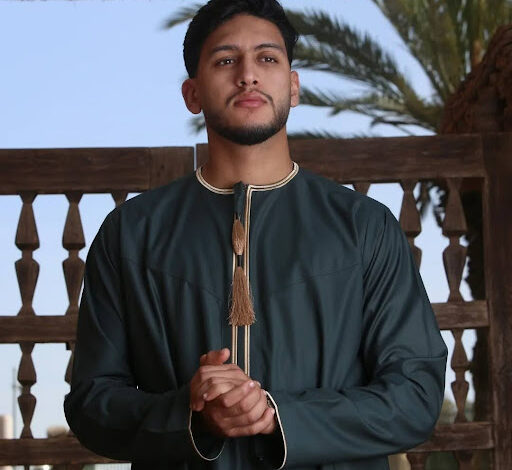
The thobe has been worn by men across the Middle East, North Africa and parts of East Africa for centuries. While the cut may look simple at first glance, its history runs deep. What began as practical clothing for hot climates gradually became a garment closely linked to identity, faith and local tradition. Today, the thobe remains part of daily life for millions of men. It is worn for prayer, work, family gatherings and major religious occasions. Although the core shape stays consistent, regional differences give each style its own character.
Today, thobes remain part of daily life for millions of men. It is worn for prayer, work, family gatherings and major religious occasions. Although the core shape stays consistent, regional differences give each style its own character.
Where the Thobe Comes From
Long, loose garments have existed in desert regions for generations. In areas where temperatures are high and sand is common, clothing needed to provide coverage while allowing air to circulate. A full-length robe met both needs. It protected the body from the sun and helped keep the wearer cool.
Over time, this style became standard across the Arabian Peninsula. As trade routes expanded and communities interacted, variations developed. Each region adapted the basic form to suit local customs and preferences. Small differences in neckline, collar shape and sleeve finish began to signal where a garment came from.
The Saudi Style
The Saudi thobe is often recognised by its structured collar and buttoned front. The cut tends to be clean and formal, which makes it a common choice for official settings and Friday prayers. Cuffs are usually defined, and the overall shape is straight and tailored without being tight.
This style reflects the broader dress norms of Saudi Arabia, where uniformity and neat presentation are valued in public spaces. While simple in design, it carries a strong sense of tradition.
The Emirati Kandura
In the United Arab Emirates, the thobe is commonly referred to as a kandura. It typically features a softer neckline and a looser fit. The absence of a stiff collar gives it a more relaxed appearance while still maintaining modesty and structure.
One of its distinguishing features is the subtle detailing around the chest area. Though minimal, it sets the Emirati style apart from others in the region. The overall look is understated, aligning with cultural expectations of simplicity.
The Omani Dishdasha
Oman’s version of the thobe is known as the dishdasha. It is similar in length and shape to other Gulf styles but includes a short opening at the neckline. A small thread detail often hangs at the chest, which has become a recognisable element of Omani dress.
The dishdasha reflects Oman’s long-standing cultural heritage. It is worn across all age groups and is seen in both rural towns and urban centres.
The Moroccan Influence
In North Africa, the Moroccan thobe takes on a slightly different form. It often features a wider neckline and may include a hood in certain versions. The cut can be more flowing compared to Gulf styles.
Morocco’s history of Arab, Berber and Andalusian influence has shaped its clothing traditions. The Moroccan interpretation of the thobe reflects that blend, balancing modesty with regional design preferences.
A Garment That Connects Generations
Despite regional differences, the thobe shares a common purpose. It provides modest coverage in line with Islamic principles and suits warm climates. More than that, it connects generations. Fathers pass the style down to their sons, and young boys grow up wearing similar garments to the men in their families.
In many communities, wearing a thobe is not reserved for special events. It is simply part of daily life. The consistency of its shape across centuries speaks to its practicality and cultural importance.
As fashion trends shift in other parts of the world, the thobe has remained largely unchanged. Its strength lies in that consistency. While small details may vary by country, the essence of the garment stays the same: modest, functional and rooted in tradition.
READ ALSO: Everyday Fashion with Baby Tees and Y2K Shirts from cherrykitten