Marianne Bachmeier: The Fearless Mother Who Redefined Justice in Germany
A Mother’s Courage, Love, and the Pain That Shook the World

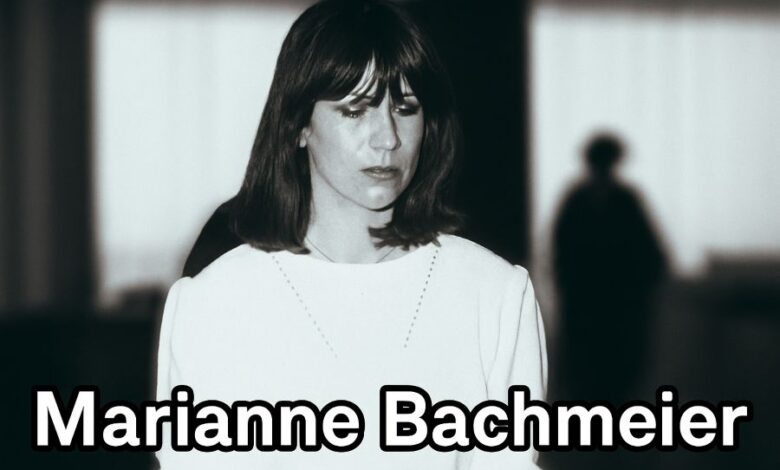
Introduction
Marianne Bachmeier’s story remains one of the most powerful and emotionally charged chapters in modern history. Her name is forever linked to the concept of vigilante justice and the unimaginable pain of a mother who lost her child. In 1981, during a court trial in Lübeck, West Germany, Marianne made a decision that stunned the world—she shot and killed the man who had brutally murdered her seven-year-old daughter, Anna. Her act was both condemned and celebrated, making her a symbol of maternal courage and raw human emotion.
Her story is not just about violence or revenge; it is about grief, justice, and a mother’s breaking point. Marianne Bachmeier’s life before and after that tragic event paints a portrait of a woman shaped by hardship, love, and loss. She was not seeking fame or recognition—she sought peace in a world that had taken everything from her.
Table of Contents
ToggleQuick Bio
| Name | Marianne Bachmeier |
|---|---|
| Date of Birth | 3 June 1950 |
| Birthplace | Sarstedt, Lower Saxony, West Germany |
| Nationality | German |
| Occupation | Bar Owner, Waitress |
| Daughter | Anna Bachmeier (1972–1980) |
| Spouse | Married a teacher in 1985 (later divorced) |
| Date of Death | 17 September 1996 |
| Place of Death | Lübeck, Germany |
| Cause of Death | Pancreatic Cancer |
Early Life and Family Background
A Childhood Marked by Struggle and Strength
Marianne Bachmeier was born in post-war Germany, a time when the country was still rebuilding itself from the ashes of World War II. Her parents were refugees from East Prussia, and her father, a former soldier, struggled with alcohol abuse. The family atmosphere was difficult, and her childhood was filled with emotional strain. These early experiences shaped her resilience and independence—qualities that would later define her actions.
Despite the challenges, Marianne grew into a strong and determined young woman. As a teenager, she faced several hardships, including early motherhood. At the age of 16, she had her first child, and another at 18, both of whom were placed for adoption due to her unstable circumstances. These difficult choices were born out of survival, not neglect, and they highlight her strength in the face of adversity.
Motherhood and the Joy of Raising Anna
Love That Knew No Bounds
In 1972, Marianne gave birth to her third child, Anna, a daughter she chose to raise alone. Living in Lübeck, she worked tirelessly as a waitress and pub owner to provide for her child. Anna became the center of her world—a lively, curious girl full of laughter. Marianne’s Family bond with her daughter was unbreakable, built on love and sacrifice.
Their small family lived a modest but happy life. Marianne was known for bringing Anna to her workplace, where the little girl often played quietly nearby. Friends described her as a caring, spirited mother who wanted to give her child a better life than she herself had known. But the happiness they shared was tragically cut short in 1980.
The Tragic Death of Anna Bachmeier
The Day That Changed Everything
On 5 May 1980, seven-year-old Anna was kidnapped and murdered by Klaus Grabowski, a convicted pedophile living nearby. The brutal killing shocked the entire nation. Grabowski, who had a long history of child abuse, had previously been released from prison under supervision, despite warnings about his dangerous behavior.
The senseless murder destroyed Marianne’s world. No words could capture the depth of her grief. She buried her daughter, devastated and broken, but also deeply angry at a system that had failed to protect innocent children. Her heartache soon transformed into a determination that would lead her down a path few could imagine.
The Courtroom Shooting: A Moment of Unimaginable Emotion
When Justice Failed, a Mother Took Action
During Grabowski’s trial on 6 March 1981, Marianne Bachmeier walked into the courtroom carrying a small pistol. As witnesses and the accused sat before the judge, she drew her weapon and fired seven shots—six of them hit Grabowski. He died instantly. The courtroom fell silent as she was taken into custody.
This act of vigilante justice divided the world. Some called it a crime; others saw it as the ultimate act of a grieving mother. To many, she was not a murderer but a symbol of the pain caused when justice fails. The media coverage turned her into an international figure, sparking debates about morality, law, and human emotion.
Trial, Sentence, and Public Reaction
Between Sympathy and Condemnation
Marianne was charged with murder, but the court recognized her emotional trauma and later convicted her of manslaughter and illegal possession of a firearm. In 1983, she was sentenced to six years in prison, though she served only about three before being released on probation.
The public reaction was intense. Many people across Germany sent her letters of support, donations, and heartfelt messages. Others criticized her for taking the law into her own hands. Her Family and supporters believed that her act, though tragic, was an emotional response to the unbearable pain of losing a child.
Life After Prison and Final Years
Searching for Peace and Redemption
After her release, Marianne tried to rebuild her life. She married a teacher in 1985 and moved with him to Nigeria in 1988. However, the marriage did not last, and she later settled in Palermo, Italy. There, she found peace working in a hospice, caring for the sick and elderly—perhaps a way to give back after so much pain.
In 1994, she published her autobiography, Palermo, amore mio, where she shared her life experiences and reflections on justice and motherhood. Two years later, in 1996, she succumbed to pancreatic cancer at the age of 46. She was buried beside her daughter Anna in Lübeck—a mother and child reunited at last.
Legacy of Marianne Bachmeier
The Woman Who Challenged Justice
Marianne’s act remains one of the most debated moments in legal and moral history. She became a symbol of both love and rebellion—a mother who acted out of unbearable loss. Her story inspired documentaries, films, and stage plays that continue to provoke thought and discussion about justice, morality, and the limits of human endurance.
Even today, Marianne Bachmeier’s Family name evokes empathy and controversy. Her life reminds the world that justice is not only written in laws but also in hearts broken by injustice. Her courage, though born of sorrow, forced society to question whether legal systems truly serve victims—or merely their rules.
Conclusion
Marianne Bachmeier’s life was filled with love, loss, and courage. Her story is a blend of tragedy and triumph, showing the power of a mother’s love and the consequences of deep emotional pain. She was not perfect, but she was human—flawed, grieving, and strong beyond measure.
Her actions redefined the way the world views justice, pain, and morality. Though her life ended too soon, her legacy continues to inspire millions, reminding us of one truth: when justice fails, humanity seeks its own way to heal.
Frequently Asked Questions (FAQ)
Q1: Who was Marianne Bachmeier?
Marianne Bachmeier was a German mother who, in 1981, shot and killed her daughter’s murderer in a courtroom in Lübeck, Germany.
Q2: What happened to her daughter, Anna?
Anna, aged seven, was kidnapped and murdered by Klaus Grabowski, a convicted pedophile, in 1980.
Q3: What was Marianne Bachmeier’s punishment?
She was convicted of manslaughter and illegal possession of a firearm, sentenced to six years in prison, and released after serving three.
Q4: Did Marianne Bachmeier regret her actions?
In later interviews, she expressed sorrow but stated that she had acted out of deep emotional pain rather than intent to harm.
Q5: What is her lasting legacy?
Marianne Bachmeier is remembered as a symbol of maternal love, moral courage, and the human struggle between justice and vengeance.