Bob Hall Powerful Legacy Of Triumph And Struggle
The Pioneer Who Changed Wheelchair Racing Forever

Introduction
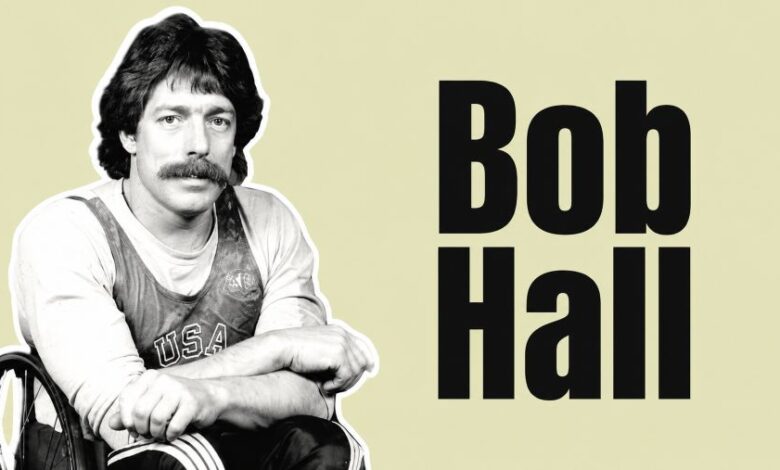
Bob Hall was an American sports pioneer whose life changed the future of marathon racing for athletes with disabilities. His full name was Robert Joseph Hall, and he became widely known as the first official wheelchair champion of the Boston Marathon. His journey was powerful because it combined personal struggle, athletic courage, technical innovation, and a lasting commitment to inclusion in sport.
He was more than a competitor. He was a wheelchair racer and racing wheelchair designer who helped prove that wheelchair athletes deserved official recognition in major road races. His historic Boston Marathon performance in 1975 became a turning point in adaptive athletics and opened doors for generations of racers who followed his path.
Table of Contents
ToggleQuick Bio
| Field | Details |
|---|---|
| Real Name | Robert Joseph Hall |
| Known As | Bob Hall |
| Famous Title | Father of wheelchair racing |
| Date of Birth | October 31, 1951 |
| Birthplace | Cambridge, Massachusetts, United States |
| Nationality | American |
| Age | 74 at the time of death |
| Date of Death | April 12, 2026 |
| Profession | Wheelchair racer and racing wheelchair designer |
| Sport | Wheelchair racing |
| Education | Boston State College |
| Spouse | Jane Raymond Hall |
| Known Company | Hall’s Wheels |
| Major Achievement | First official wheelchair champion of the Boston Marathon |
| Major Wins | Boston Marathon wheelchair champion in 1975 and 1977 |
Early Life Of Bob Hall
Bob Hall was born in Cambridge, Massachusetts, on October 31, 1951. Early in life, he contracted polio as an infant, and this condition caused him to lose the use of both legs. His childhood was not easy, but his story became powerful because he refused to let disability define the limits of his life.
As he grew older, he developed a strong connection with sport. He used crutches and braces in daily life, but competition gave him a different sense of purpose. Instead of accepting exclusion from athletics, he looked for ways to participate, compete, and prove that physical limitation did not remove athletic potential.
Education And Athletic Development
Bob Hall attended Boston State College, which later became connected with the University of Massachusetts Boston. During his college years, he continued building his athletic identity and learned the discipline required for competitive sport. His education and athletic environment helped shape his confidence before he became a national figure in wheelchair racing.
At Boston State College, he came into contact with competitive training and endurance culture. This background helped him understand pacing, effort, and preparation. These qualities became important when he entered long-distance wheelchair racing and later challenged one of the most famous marathons in the world.
Start Of Career In Wheelchair Racing
Bob Hall’s serious racing career began in the early 1970s. In 1974, he won important wheelchair racing events, including the National Wheelchair Mile and the National Wheelchair Marathon. These victories showed that he had the speed, endurance, and mental strength needed to compete at a high level.
His success before the Boston Marathon was important because it gave him proof that wheelchair racing deserved attention. He was not asking for sympathy. He was asking for a fair chance to race. That mindset became central to his career and helped change how race organizers viewed athletes with disabilities.
Boston Marathon Breakthrough
In 1975, Bob Hall approached the Boston Athletic Association and asked for permission to compete in the Boston Marathon using a wheelchair. At that time, there was no official wheelchair division. He was allowed to enter under a condition: he had to finish the race within the required time to receive official recognition.
He completed the Boston Marathon in 2 hours and 58 minutes. That performance made him the first official wheelchair champion of the Boston Marathon. It was a historic achievement not only for him but also for the entire future of adaptive sport. His finish proved that wheelchair athletes could complete major endurance events with seriousness, speed, and competitive spirit.
Career Rise And Major Achievements
After his 1975 breakthrough, Bob Hall continued building his place in sports history. He returned to the Boston Marathon and won again in 1977, becoming a two-time Boston Marathon wheelchair champion. His victories helped establish wheelchair racing as a legitimate and respected part of marathon competition.
His career mattered because he did not only win races. He changed systems. Before his efforts, wheelchair athletes had limited access to major road events. After his success, marathon organizers had to take wheelchair racing more seriously. His example helped create space for future champions and made wheelchair divisions more visible around the world.
Career Stats
| Category | Details |
|---|---|
| Main Sport | Wheelchair racing |
| Main Event | Boston Marathon |
| 1974 Achievement | National Wheelchair Mile winner |
| 1974 Achievement | National Wheelchair Marathon winner |
| 1975 Achievement | First official wheelchair champion of the Boston Marathon |
| 1975 Boston Time | 2 hours and 58 minutes |
| 1977 Achievement | Boston Marathon wheelchair champion |
| Historic Role | Helped open marathon racing to wheelchair athletes |
| Design Role | Developed racing wheelchairs through Hall’s Wheels |
Career Timeline
1951
Bob Hall was born in Cambridge, Massachusetts, on October 31, 1951. His early life later became part of one of the most important stories in adaptive athletics.
Early Childhood
He contracted polio as an infant. This changed his mobility, but it did not stop his interest in sport or his desire to compete.
1974
He won major wheelchair racing events, including the National Wheelchair Mile and National Wheelchair Marathon. These results helped prepare him for his historic Boston Marathon entry.
1975
He became the first official wheelchair champion of the Boston Marathon after finishing the race in 2 hours and 58 minutes.
1977
He won the Boston Marathon wheelchair title again, strengthening his position as one of the key figures in the sport.
1978
He founded Hall’s Wheels, a company focused on racing wheelchair design and performance equipment.
2025
He was honored as a Grand Marshal at the Boston Marathon during the 50th anniversary of his historic 1975 achievement.
2026
He died on April 12, 2026, at the age of 74.
Hall’s Wheels And Business Venture
Bob Hall founded Hall’s Wheels in 1978. This company became an important part of his legacy because it focused on creating better racing wheelchairs. At a time when many athletes had limited equipment options, his designs helped move the sport toward lighter, faster, and more specialized racing chairs.
His work as a designer was closely connected to his experience as an athlete. He understood what wheelchair racers needed because he had raced himself. That made his business venture more than a company; it became part of the development of wheelchair racing technology. His influence helped later athletes compete with better equipment and greater confidence.
Complete Career Overview
Bob Hall’s complete career can be understood through three major roles: athlete, advocate, and innovator. As an athlete, he proved that wheelchair racers could compete in major endurance events. As an advocate, he pushed for official recognition and inclusion. As an innovator, he designed racing chairs that improved performance for future competitors.
His career also showed the difference between participation and recognition. He did not simply want to complete races quietly. He wanted wheelchair athletes to be treated as official competitors. This was a powerful shift because it helped move adaptive sport from the margins into the center of major athletic events.
Personal Life And Jane Raymond Hall
Bob Hall was married to Jane Raymond Hall. Public reports identify her as his wife and part of his surviving family. His personal life was often kept private, and most public attention focused on his achievements in wheelchair racing, design, and advocacy.
The available public record shows him as a deeply respected figure whose influence went beyond medals and race results. He became a symbol of determination, but he also remained connected to practical work that helped other athletes compete. His life combined personal courage with service to a larger sporting community.
Health Status And Physical Challenge
Bob Hall’s physical challenge began with polio in infancy. Losing the use of his legs shaped many parts of his life, but he used sport as a way to push beyond public expectations. His achievements became especially meaningful because he competed during a time when adaptive athletes had fewer opportunities and less public support.
He died on April 12, 2026, after a long illness. His death was widely reported by sports and news organizations because of his historic role in the Boston Marathon and wheelchair racing. Even after his passing, his influence remains visible in every major marathon that includes wheelchair competitors.
Recent News
The most important recent news about Bob Hall came in April 2026, when his death was announced. He was remembered as the father of wheelchair racing, a two-time Boston Marathon champion, and a person who helped change the structure of marathon competition.
In 2025, one year before his death, he was honored at the Boston Marathon as part of the 50th anniversary of his groundbreaking 1975 race. This recognition showed how strongly his achievement remained connected to the identity of the Boston Marathon and the growth of wheelchair racing worldwide.
Legacy
Bob Hall’s legacy is powerful because he changed both attitudes and opportunities. Before his breakthrough, wheelchair athletes were often not seen as official marathon competitors. After his success, the conversation changed. He showed that disabled athletes could be fast, disciplined, serious, and deserving of equal recognition.
His legacy also lives through technology. As a wheelchair racer and racing wheelchair designer, he helped improve the tools athletes used to compete. Through Hall’s Wheels, his impact reached beyond his own racing years and helped shape the future of performance equipment in adaptive athletics.
Why Bob Hall Still Matters
Bob Hall still matters because his story is not only about winning races. It is about access, respect, and the right to compete. His 1975 Boston Marathon finish became a symbol of positive change, while the barriers he faced showed the negative reality of exclusion in sport.
His journey proves that one determined athlete can challenge old systems and create new possibilities. Today, wheelchair racing is a recognized part of many major marathons, and his name remains connected to that progress. He helped open a door that many athletes continue to pass through.
Conclusion
Bob Hall, also known as Robert Joseph Hall, built a life that changed wheelchair racing forever. He was a champion, designer, and pioneer whose courage helped turn a limited opportunity into a global sporting pathway. His role as the first official wheelchair champion of the Boston Marathon made him one of the most important figures in adaptive sports history.
His career was filled with triumph and struggle, but his legacy remains positive and lasting. Through racing, advocacy, and Hall’s Wheels, he helped prove that wheelchair athletes belong on the same competitive stage as every other endurance athlete. His story continues to inspire athletes, sports leaders, and readers who believe in courage, inclusion, and human possibility.
FAQ
Who was Bob Hall?
He was an American wheelchair racer and racing wheelchair designer known as the father of wheelchair racing.
What was Bob Hall’s real name?
He was born Robert Joseph Hall.
Where was he born?
He was born in Cambridge, Massachusetts, United States.
Who was his wife?
She was Jane Raymond Hall.
What made him famous?
He became the first official wheelchair champion of the Boston Marathon.
What sport did he compete in?
He competed in wheelchair racing.
What company did he create?
He founded Hall’s Wheels to develop racing wheelchairs.
When did he die?
He died on April 12, 2026, at age 74.